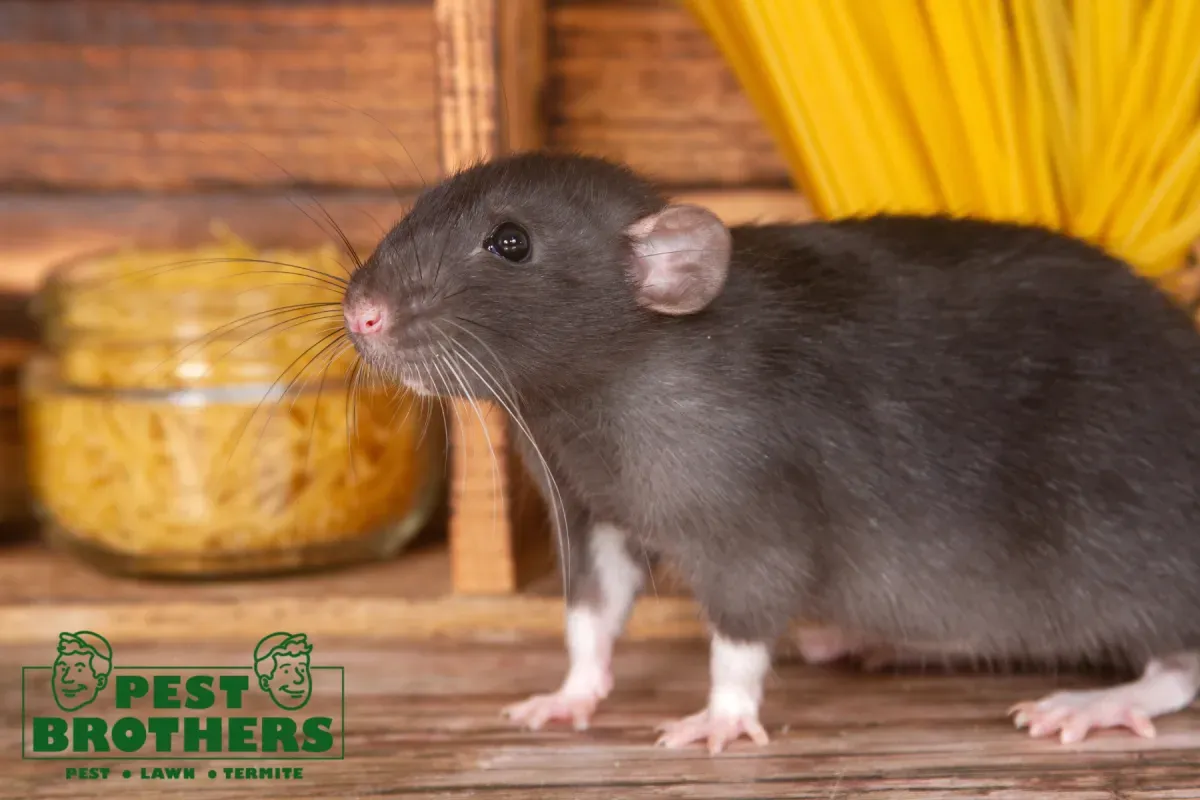
Rodents return after exclusion because they follow pheromone trails, invisible chemical scent markers left in their urine, feces, and body oils. Even if physical entry points are sealed, these “scent maps” persist in the sub-crawlspace soil and insulation, signaling to new ones that your home is a proven, safe, and viable nesting site. Neutralizing these biological signals is the only way to ensure a permanent solution to an infestation.
The Invisible Navigation System of the Common Rodent
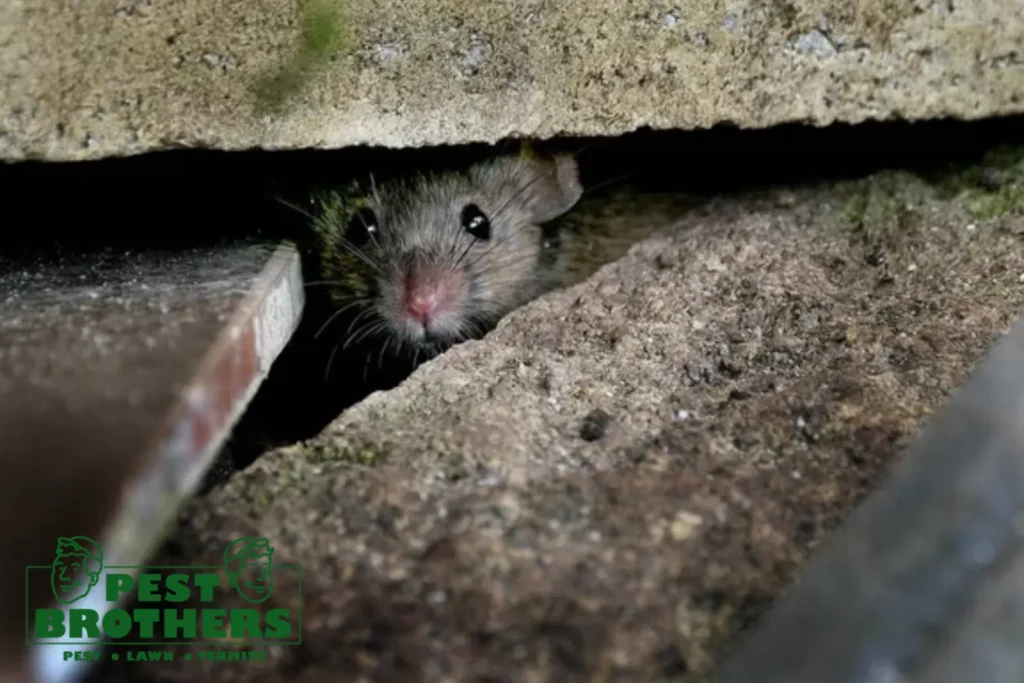
When a homeowner discovers a scratch in the walls or a chewed wire, the immediate goal is usually to trap the intruder and seal the hole. However, in the world of professional rodent control, the physical hole is only half of the story. They, particularly rats and mice, have extraordinary olfactory systems. They communicate via pheromones, complex organic molecules that serve as a persistent “biological beacon.”
In many South Florida neighborhoods, where high humidity and warm temperatures can actually preserve certain organic compounds, these scent trails become a permanent part of a home’s foundation. During a recent audit of a property, we discovered that even though the previous owners had “sealed” the house, a new colony was gnawing at the same corners because pheromone signals from three years prior were still active in the soil beneath the crawlspace.
Why the Sub-Crawlspace is a Pheromone Reservoir
The sub-crawlspace beneath your floorboards, where the earth and void meet, is the perfect environment for pheromone preservation. Unlike the exterior of your home, which is subjected to UV light (which breaks down organic compounds) and heavy rainfall, the crawlspace is dark, cool, and protected.
Pheromone Longevity on Different Surfaces
| Surface Type | Pheromone Persistence | Standard Cleaning Effectiveness |
| Concrete/Foundation | 3–6 Months | Moderate (Requires porous penetration) |
| Fiberglass Insulation | 12+ Months | Low (Material often acts as a sponge) |
| Sub-Crawlspace Soil | 2+ Years | Very Low (Requires bio-enzymatics) |
| Wooden Floor Joists | 6–12 Months | Moderate (Absorbs oils over time) |
For effective Palmetto Bay pest control, we look beyond the baseboards. If the soil in your crawlspace is saturated with “scent signals,” you are essentially running a 24/7 advertisement for every rodent in the vicinity.
The “Scent of Success”: Why New Rodents Want In
It is a common myth that rodents enter a home by accident. In reality, they are following the “scent of success.” If a previous colony survived a winter or raised a litter in your crawlspace, they left behind pheromones that communicate, “This place is warm, dry, and safe.”
When a new rat scouting the perimeter smells these trails, it doesn’t just happen upon your home; it targets it. They will spend weeks gnawing at a concrete seal or a steel mesh screen because their biology tells them there is a proven sanctuary on the other side. This is why many DIY exclusion techniques fail; they address the “door” but leave the “invitation” wide open.
Applying Our Olfactory Neutralization Protocol
At Pest Brothers, Inc., we pride ourselves on being honest and credible. We won’t tell you that a few traps will solve a subterranean scent issue. Instead, we utilize a comprehensive approach that targets the biological root of the problem. Our family-owned values mean we treat your home with the precision required to protect your family’s health and peace of mind.
Quick Response Time and Forensic Analysis
When you suspect a return of pests, our Quick Response Time ensures that we catch the problem before a new colony establishes a foothold. Our technicians perform a forensic sweep of the crawlspace, identifying “hot spots” where pheromone accumulation is highest.
Advanced Rat Trapping and Deep Exclusion
Our rat trapping methods are designed to remove the active threat, but our specialized exclusion techniques prevent a return. We don’t just plug holes with foam; we use high-durability materials that resist gnawing. However, the true difference-maker is our neutralization process:
- Enzymatic Decontamination: We use bio-enzymatic cleaners that “eat” the protein structures of rodent pheromones, effectively deleting the scent map.
- Vapor Barrier Integration: In many homes, we recommend a high-quality vapor barrier to keep soil odors from the structure.
- Sanitation of Structural Members: We clean and treat the wooden joists and foundation walls to ensure no residual oil remains.
More Pests Covered Under One Shield
Because our services are designed to be comprehensive, we ensure that more pests are covered than standard plans. Often, the same gaps that let in pheromone-guided rodents are also used by ants or cockroaches. Our holistic approach to pest control in Palmetto Bay, FL, ensures that all entry points are addressed, regardless of the species trying to get in.
Debunking the “Physical Barrier Only” Myth
A common industry misconception is that “once you have professionally sealed every hole with steel and concrete, the problem is solved forever.”
The Reality: Physical exclusion is vital, but it is only half the battle. If the pheromone “beacon” is still active, your home is under constant siege. New ones will search for 1/16-inch gaps in the siding or dig under footings to reach the scent source. Without biological neutralization, your exclusion materials are under constant, targeted attack from the local rodent population. True pest control in Palmetto Bay must include a plan to “de-scent” the property.
Why Family-Owned Values Mean Better Protection
At Pest Brothers, Inc., we are a customer-centric brand. We know that homeowners aren’t just looking for someone to set traps; they are looking for experts they can trust to protect their largest investment. Our team of licensed technicians provides expert solutions tailored to your specific needs, ensuring the best results with minimal disruption.
We aim to evoke confidence and peace of mind. We want you to feel secure knowing that your rodent concerns are being handled with precision and care. By using environmentally friendly and safe pesticides alongside Integrated Pest Management (IPM) techniques, we ensure that your crawlspace isn’t just “bug-free”; it’s a healthy environment for your home.
People Also Ask (FAQ)
Can I use bleach to remove rodent smells in my crawlspace?
No. While bleach is a great disinfectant, it does not break down the complex protein structures of pheromones. In some cases, the strong smell of bleach can actually mask a problem without solving it or even irritate your own respiratory system in a confined space.
How long do rodent pheromones last?
In a protected environment like a crawlspace, pheromones can remain detectable to rodents for two years or more. This is why new infestations often occur in the same houses year after year.
Is pheromone removal safe for my family?
Yes. At Pest Brothers, we use bio-enzymatic treatments that are non-toxic and eco-friendly. These enzymes are designed to target specific organic proteins without leaving harmful residues in your home.
Does a vapor barrier help with rodents?
A vapor barrier is an excellent secondary defense. While its primary job is moisture control, a properly sealed barrier also creates a physical and scent-neutral layer between the soil (where pheromones accumulate) and your home’s floorboards.
Reclaim Your Home from Subterranean Invaders
Don’t let your crawlspace remain a “calling card” for the local rodent population. At Pest Brothers, Inc., we are committed to providing reliable, high-quality solutions that deliver long-term results. We want our customers to feel completely secure, knowing their property is protected by experts who genuinely care.
Our personalized experience, flexible service plans, and commitment to exceptional customer care set us apart. Whether you are dealing with a current infestation or want to prevent a future one, our team is here to help.
Ready to delete the scent map and protect your home? Reach out to us today for a consultation or a quote. Let’s work together to ensure your home is a safe, secure, and pest-free environment for years to come.