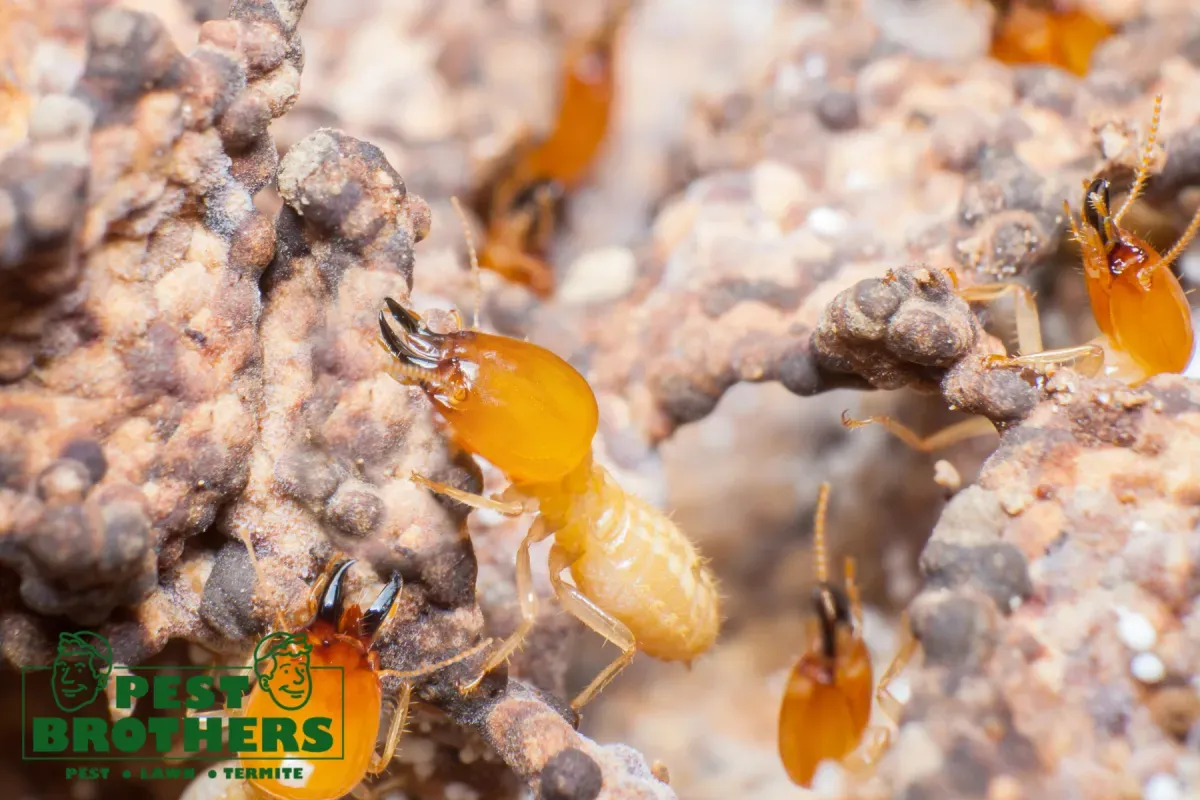
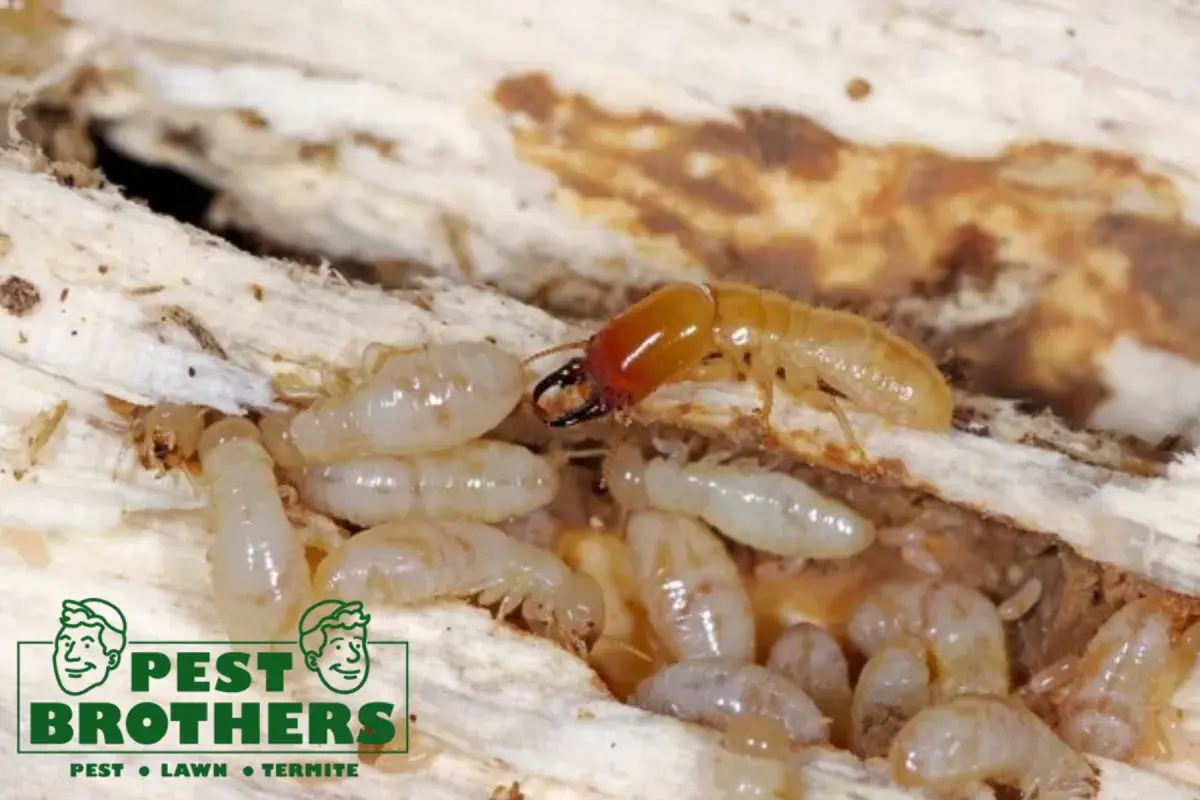
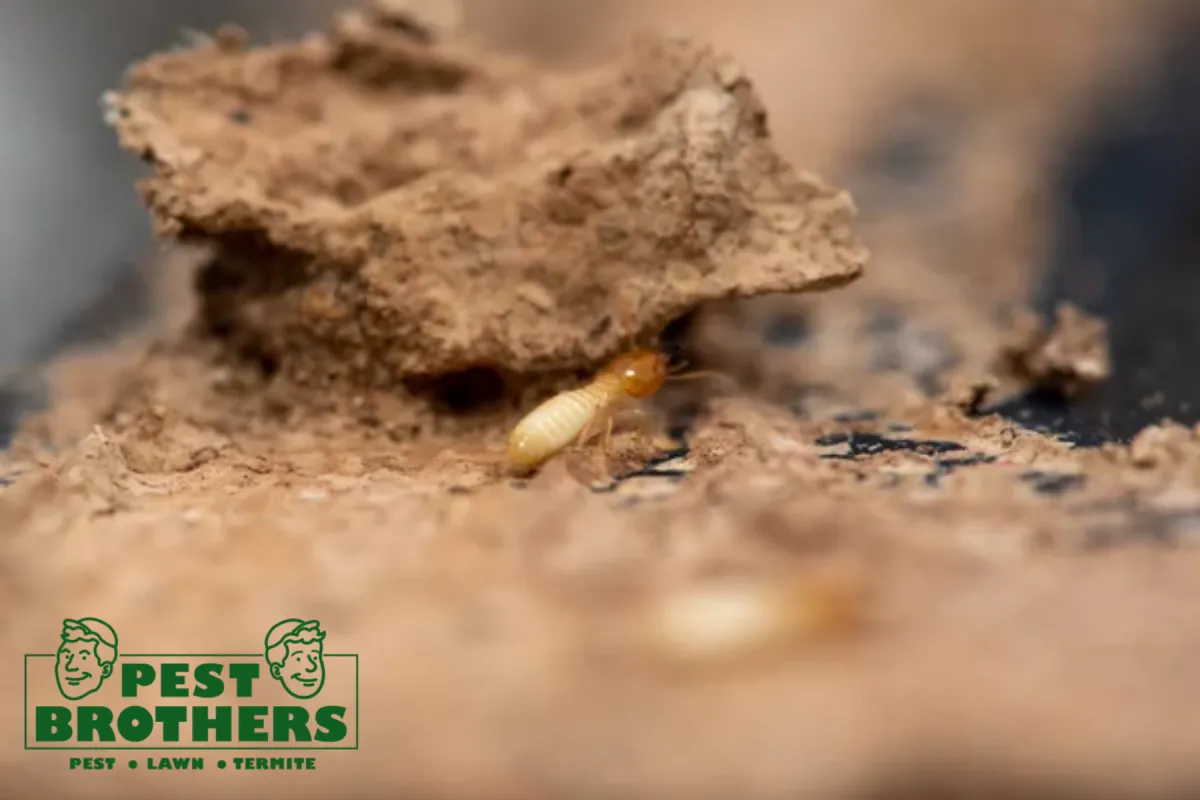
A winged termite, also known as a swarmers or alates, is a reproductive member of a termite colony. These termites grow wings to leave their nest and find a mate in order to establish new colonies. Swarming typically occurs in the warmer months, particularly during spring and summer, and is often triggered by humidity, heat, and light. Winged termites are highly mobile and can fly long distances to begin a new colony, which can increase the spread of termites to neighboring properties.
While spotting a flying termite can seem like a minor issue, it is a sign of an already established and potentially destructive colony in or near your home.
5 Key Elements of Winged Termites
- Swarming Behavior
- Winged termites emerge in swarms, especially on warm, humid days. These swarms are often visible around light sources like windows and porch lights.
- Indication of a Larger Infestation
- The presence of flying termites signals a mature colony nearby. A colony can house hundreds of thousands of worker termites feeding on wood structures.
- Ability to Fly
- Unlike other termites, winged termites can fly and spread to new areas, potentially leading to new infestations in nearby structures.
- Moisture-Dependent
- Winged termites are more likely to swarm in areas with high moisture, such as in Weston, FL, where the climate supports termite activity year-round.
- Damage Potential
- Although they don’t feed on wood, winged termites are a warning sign that there is a nearby colony that feeds on wood, drywall, and other cellulose materials, potentially damaging your home’s structural integrity.
Why Winged Termites Are More Dangerous Than You Think
- Indication of a Mature Colony
Spotting winged termites is a clear sign that a mature termite colony has already infested your home or property. The colony may have been feeding on wood for months or even years before you notice the swarmers. - Rapid Spread Potential
Flying termites are capable of traveling long distances, which means the presence of winged termites increases the likelihood of new colonies forming on nearby properties, expanding the infestation. - Difficult Detection
Unlike other pests, termites are difficult to detect until significant damage has occurred. Flying termites are often the first visible sign of an infestation, which means damage may already be taking place inside your walls or foundation. - Damage Potential
Subterranean and drywood termites feed on cellulose materials such as wood, drywall, and paper products. Over time, this can lead to expensive structural damage. The longer an infestation goes unchecked, the more costly the repairs can be.
Common Places to Spot Winged Termites
Winged termites are typically found near light sources and are most active during the early evening. Common places to spot them include:
- Windowsills and doorways
- Patios, porches, and entryways
- Discarded wings on floors, window sills, or furniture
- Near outdoor lighting
In Weston, FL, where the humid climate supports termite activity, the risk of termite swarming is highest during the warmer months. Regular inspections by an exterminator are essential to detect termite activity before it spreads.
Steps to Take Against Winged Termites
- Spot the Swarmers Early
- Flying termites often swarm around light sources. Monitor windows and doors for signs of termite activity.
- Schedule a Professional Inspection
- If you spot termite wings on floor or find other signs of infestation, contact a licensed pest control Weston FL professional to inspect your home for signs of termite damage.
- Treat the Source
- Professional treatments target the termite colony directly, using pesticides and baits to eradicate termites without disrupting daily life.
- Install Termite Barriers
- A preventive barrier can be applied around your property’s foundation to protect it from future infestations. This creates an obstacle for flying termites attempting to establish new colonies.
Why DIY Solutions Often Fail
DIY methods, such as spraying chemicals or using traps, may provide temporary relief but rarely address the source of the problem. Black termites with wings or winged bugs that look like termites are just a visible symptom of a larger infestation. DIY solutions are often ineffective because they do not target the hidden colonies where termites feed and reproduce.
Working with a Weston exterminator ensures that the colony is properly located, treated, and prevented from returning. A professional pest control technician uses targeted methods to eliminate termites and provide long-term protection.
Protecting Your Home Year-Round
Preventive termite control is essential to safeguard your home against infestations. Here’s how to protect your property:
- Regular Inspections: Schedule routine termite inspections to catch problems early.
- Moisture Control: Repair leaks and address moisture issues inside and around your home to reduce termite attraction.
- Preventive Barriers: Install barriers or treatments to protect against future termite colonies.
- Proper Ventilation: Ensure crawl spaces, basements, and attics are well ventilated to reduce humidity.
By integrating these steps into your termite control near me routine, you can dramatically reduce the risk of termites invading your home and save yourself from expensive repairs.
Conclusion
Winged termites are a serious threat to your home. They are a sign of a mature colony that could be feeding on your property’s wooden structures, leading to extensive damage. Early detection, prompt action, and professional treatment are key to protecting your home from these destructive pests. Contact a licensed Weston pest control professional today to prevent costly damage and ensure your home remains pest-free.
About Pest Brothers, Inc. – Pest, Lawn, & Termite Control
Pest Brothers, Inc is a licensed and insured pest control company serving Weston, FL. Specializing in comprehensive termite control solutions, we offer treatments for general household pests, lawn care, rodent and wildlife removal, mosquito control, and more. Our team uses environmentally friendly pesticides and follows integrated pest management practices to keep your home safe.
Need Help with Termite Control in Weston, FL?
If you’ve spotted flying termites or termite wings on the floor, don’t wait for further damage. Contact Pest Brothers, Inc. today for a comprehensive inspection and professional termite control solutions. Call us today to protect your home from these destructive pests.
People Also Ask
What are flying termites?
Flying termites, also known as swarmers or alates, are reproductive termites that leave their colony to find a mate and establish new colonies. Their presence suggests a mature colony may be nearby.
What does it mean if I find termite wings on the floor?
Termite wings on the floor are a sign that flying termites, or swarmers, have entered your home. This could indicate a nearby infestation of termites feeding on your home’s wooden structures.
Do flying termites eat wood?
No, flying termites do not eat wood. They are reproductive termites, and their purpose is to swarm, mate, and start new colonies. Worker termites, however, are the ones that consume wood.
Do termites fly?
Yes, termites fly during their reproductive phase. They are known as flying termites or swarmers, and they travel to start new colonies. This behavior typically occurs during warm, humid months.