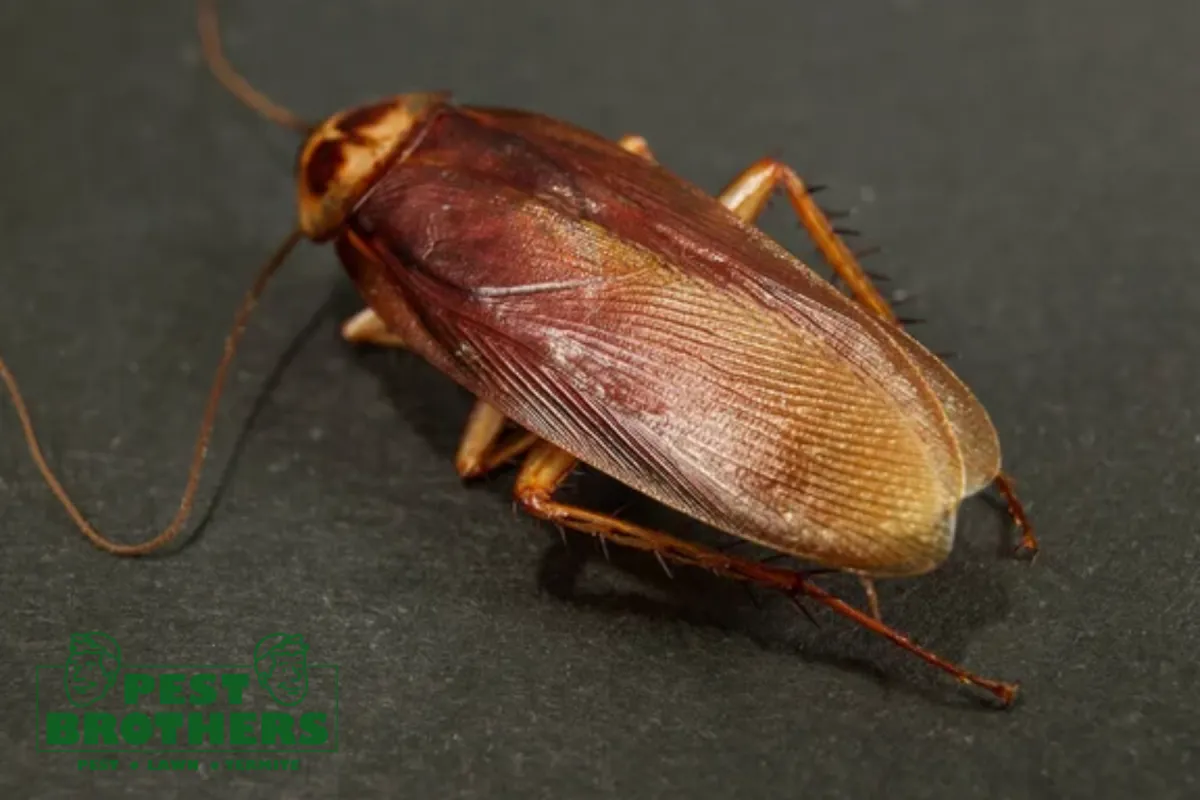
Seeing a few cockroaches usually indicates a larger hidden infestation because cockroaches are nocturnal, flat-bodied insects that forage in small numbers while the majority of the population remains concealed. For every cockroach spotted during the day or in open rooms, dozens or hundreds more are typically hiding deep within wall voids, cabinets, and warm electrical appliances.
Turning on a kitchen light late at night and catching a quick glimpse of a cockroach darting behind the microwave is a stressful experience for any homeowner. The immediate thought is often to hope it was just a lonely bug that wandered in from outside through an open door or window. Unfortunately, because of how these nocturnal pests live and reproduce, a few visible bugs are almost always the tip of a much larger iceberg hidden inside your walls.
Cockroaches prefer dark, warm, and humid spaces where they can rest undisturbed. They naturally avoid human interaction, bright lights, and open rooms. Understanding the subtle warning signs of a growing population helps you address a hidden infestation before it takes over your kitchen and bathrooms.
5 Critical Warning Signs That Signal a Hidden Colony
Cockroaches rarely live in isolation. When you see a few individual roaches, inspecting your living spaces for these five physical signals will help you determine whether a full-blown colony is established on your property:
1. Daytime Activity in Open Areas
Cockroaches are nocturnal creatures that stay hidden during daylight hours. Seeing active roaches during the day usually means their primary hiding spots inside wall voids, cabinets, and under sinks are overcrowded, forcing lower-ranking pests to search for food in the open.
2. Droppings and Speckling Marks
Cockroach droppings are easy to spot if you know what to look for. Small species like German cockroaches leave droppings that look like dark pepper flakes or ground coffee beans. You will often find these specks along cabinet door hinges, drawer corners, countertop seams, and behind large kitchen appliances.
3. Smear Marks Along Surfaces
In humid spaces like bathrooms and laundry rooms, cockroaches leave dark, irregular liquid smear marks as they crawl along baseboards, wall corners, and plumbing pipe entry holes. These marks indicate frequent travel along established pathways.
4. Discovered Egg Cases and Discarded Skins
Finding purse-shaped, brownish egg cases (known as oothecae) or papery, discarded skins in dark drawers and cabinets confirms active breeding and growth inside your home. Each egg case can hold dozens of developing embryos.
5. A Persistent, Musty Odor
German cockroaches produce chemical scent signals called aggregation pheromones. As a population grows, these scents create a distinct oily, musty, or sweet smell in enclosed spaces like under-sink cabinets and pantries.
During a recent home inspection, our exterminator in Weston noted that a homeowner who had seen only two roaches over a week actually had a thriving colony hidden behind their kitchen dishwasher, identified by heavy speckling and a strong pheromone scent.
Infestation Severity Matrix: Isolated Sighting vs. Widespread Colony
Distinguishing between a single hitchhiking insect brought in on a cardboard delivery box and a deep structural infestation requires checking specific behavioral and physical signals.
Comparison Table: Evaluating Infestation Levels
| Evaluation Metric | Single Hitchhiker / Isolated Insect | Established Widespread Colony |
| Sighting Timing | Rare; strictly late at night in dark rooms | Frequent; observed during day and night hours |
| Insect Age Mixture | Single adult insect (often transported in) | Mixed population of adults, nymphs, and egg cases |
| Physical Droppings | Absent or isolated to a single small spot | Widespread pepper-like specks in drawers/cabinets |
| Odor Presence | None detectable | Noticeable musty or oily pheromone stench |
| Harborage Location | Open floor or near recent package entry | Deep inside wall voids, cabinets, & appliance motors |
When property owners evaluate their options for Weston pest control, identifying these key metrics early helps technicians apply targeted treatments that eliminate hidden nests rather than just surface wanderers.
Key Terminology & Biological Infestation Signals
Thigmotaxis
The physical behavior of flat-bodied pests seeking narrow cracks and crevices where both their top and bottom surfaces touch surrounding walls, keeping them secure and hidden.
Ootheca
The durable, protective capsule produced by female cockroaches that holds 30 to 40 developing embryos safe from liquid surface sprays.
Aggregation Pheromone
A chemical scent excreted in roach droppings that signals to other roaches that a specific structural gap is a safe, established nesting spot.
Nymph-to-Adult Ratio
The relative balance of young juvenile roaches to mature adults in a home; seeing small nymphs points directly to active indoor breeding.
Wall Void Harborage
The dark, undisturbed hollow spaces inside drywall construction, cabinet frames, and baseboards where cockroach nests expand unnoticed.
Applying the Pest Brothers Cockroach Management Method to Solve This
At Pest Brothers, Inc. – Pest, Lawn, & Termite Control, we understand how unsettling it is to find pests in your home. As a family-owned business guided by honesty and credibility, we treat every home with the care, respect, and attention to detail it deserves. We do not rely on quick, temporary fixes or generic surface sprays. Instead, our licensed technicians focus on finding the root cause of the infestation to deliver complete peace of mind.
Our systematic approach to eliminating cockroach colonies relies on clear, proven standards:
- Thorough Inspection: Our process begins with a thorough inspection of your kitchen cabinets, plumbing penetrations, and warm electrical appliances to locate every hidden nest zone.
- Customized Treatment Plans: We design customized treatment plans tailored to your property layout, family needs, and the specific roach species involved.
- Eco-Friendly Solutions: We utilize eco-friendly solutions alongside Integrated Pest Management (IPM) practices, ensuring treatments are tough on pests while remaining safe for your children, pets, and the environment.
- Top-Tier Cockroach Control: We deliver top-tier cockroach control using professional-grade gel baits and insect growth regulators (IGRs) that foraging insects carry deep into wall voids, destroying the entire colony across all life stages.
- Long-Term Protection: We focus on providing long-term protection by sealing structural gaps around pipes, baseboards, and cabinets to prevent future invasions.
Debunking the Industry Myth: “Seeing a Cockroach in the Daytime Just Means It Got Lost”
A widespread myth among homeowners is that spotting a single cockroach wandering across a kitchen counter during the day is just an isolated accident or a lost bug from outside.
In reality, cockroaches possess a strong natural aversion to light and human movement. They only venture out into bright, open spaces when their primary hiding spots inside wall voids and cabinets become overcrowded, or when competition for food and water forces lower-ranking roaches to forage during unsafe hours. Daytime sightings are almost always a symptom of an established, high-density colony hidden just out of sight behind your walls.
Working with an experienced exterminator in Weston, FL ensures that these hidden wall voids are properly treated before the population expands further into adjoining rooms.
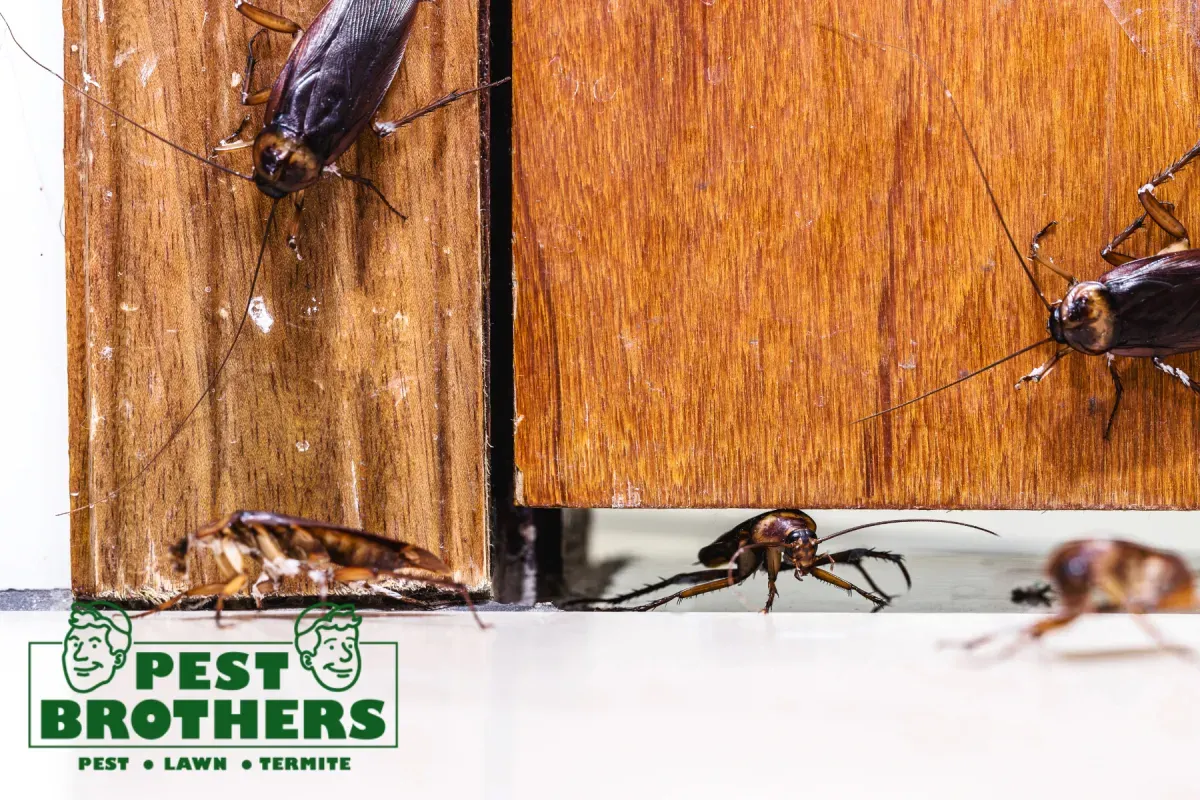
People Also Ask
Q: Does seeing one cockroach in my house mean I have an infestation?
A: While a single adult roach can occasionally enter on a cardboard shipping box, seeing even one bug, especially a small juvenile nymph, usually means dozens or hundreds more are hiding nearby in wall voids.
Q: Where do cockroaches hide during the day?
A: Cockroaches hide in dark, warm, and humid spaces with narrow gaps. Common hiding spots include behind refrigerators, under kitchen sinks, inside microwave bases, along cabinet hinges, and inside hollow drywall voids.
Q: Why do store-bought foggers and sprays fail to kill the whole colony?
A: Aerosol “bug bombs” and spray cans only coat open room surfaces. The harsh chemical vapors cause cockroaches to scatter deeper into wall voids, often splitting the colony into new areas of the house while leaving protective egg cases unharmed.
Q: How fast do cockroach populations multiply?
A: A single female German cockroach and her offspring can produce thousands of descendants within a single year under warm indoor conditions with easy access to food crumbs and water drops.
Q: How can a professional exterminator help stop recurring roaches?
A: A professional uses non-repellent transfer baits, precision gel applications, and insect growth regulators that target hidden nests inside walls, stopping reproduction without causing roaches to scatter into other rooms.
Eliminate Hidden Cockroach Nests with Professional Care
A few visible cockroaches are rarely an isolated issue; they are typically the outer edge of a larger colony hiding deep within your property. By recognizing early signs like pepper-like droppings, musty odors, and daytime activity, you can take action before a small problem becomes a severe structural infestation.
At Pest Brothers, Inc. – Pest, Lawn, & Termite Control, we are dedicated to replacing pest stress with complete confidence and peace of mind. Serving homes in Weston and surrounding communities, our licensed technicians combine expert knowledge with a friendly, welcoming approach to handle your pest concerns quickly and carefully.
Suspecting a hidden cockroach infestation behind your walls? Contact us today to schedule your professional home inspection!