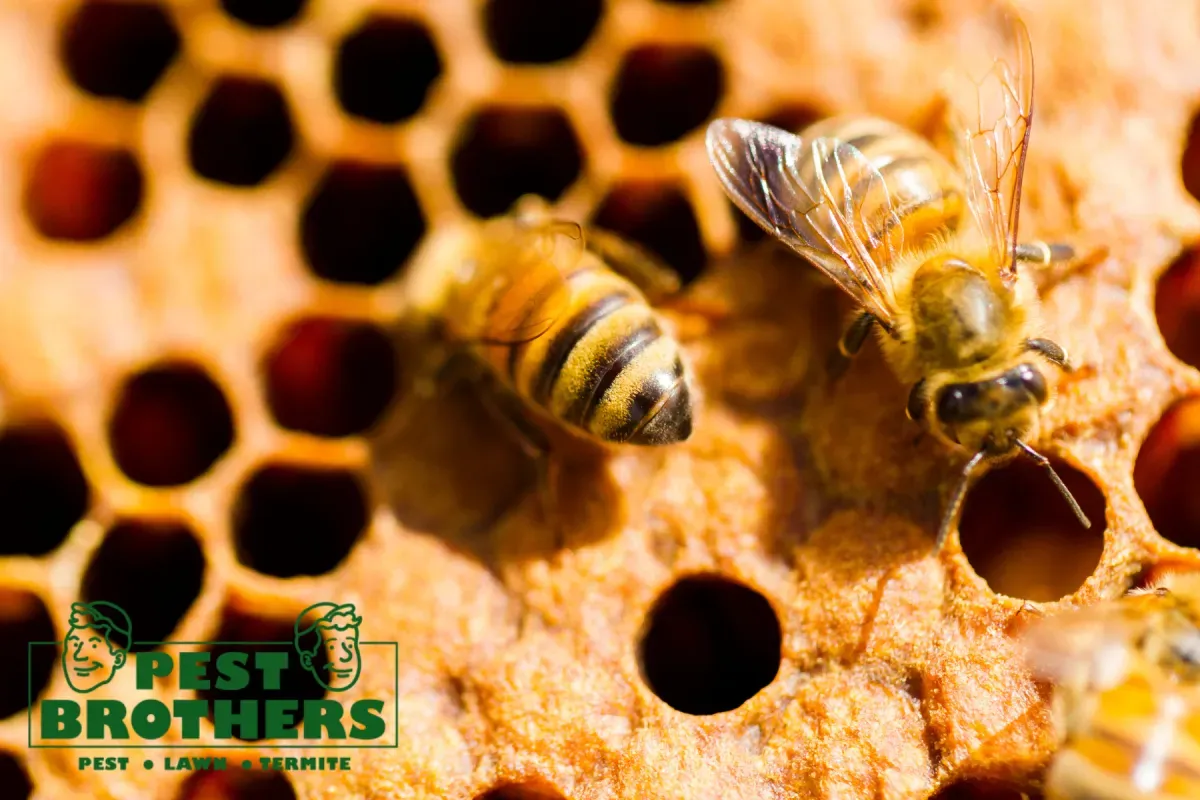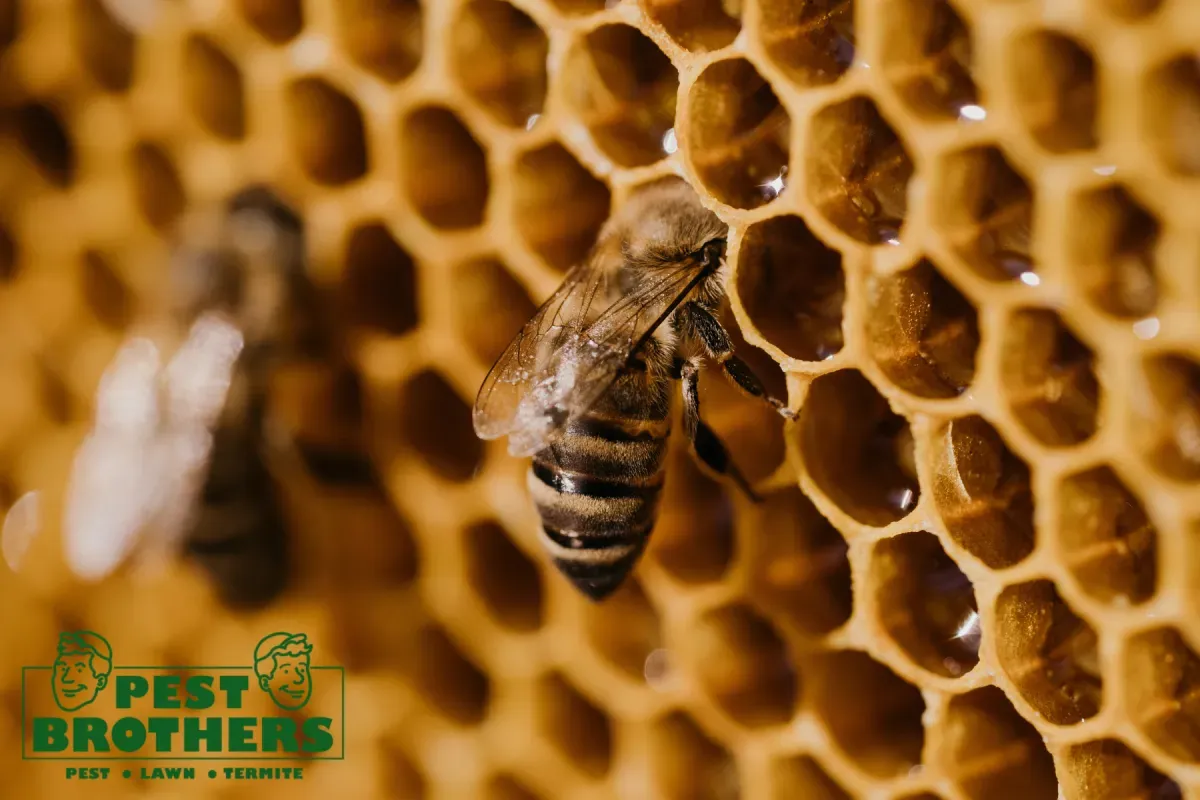
Honeycomb removal is essential during wall bee removal because unextracted honey and wax decompose inside wall cavities without live bees to cool the nest. Melting honey ferments, seeps through sheetrock, and causes severe structural wood rot, while leftover comb pheromones attract secondary pests like wax moths, ants, and new bee swarms.
Discovering a buzzing colony inside your wall void can immediately worry any property owner. Beyond the obvious threat of bee stings, leaving the physical hive structure hidden behind your drywall creates a ticking time bomb for your building’s framework. When live bees are removed or exterminated without opening the cavity to extract the comb, pounds of unmanaged honey and raw wax begin to melt under everyday summer heat.
During a recent property inspection in Doral, our technicians responded to a home where a previous contractor had simply sprayed an exterior wall gap to eliminate a swarm. Within weeks, fermented honey began dripping through the baseboards in the living room, causing severe drywall sagging and drawing thousands of foraging ants into the house. Understanding why honeycomb removal is essential during wall bee removal helps you prevent thousands of dollars in unnecessary drywall, paint, and framing repairs.
Abandoned Honeycomb Risks vs. Complete Extraction (Impact Matrix)
Structural, Sanitation, and Pest Vulnerability Breakdown
Leaving an abandoned hive inside a building structure creates cascading sanitation and structural issues over time. The matrix below outlines how leaving comb behind compares to complete professional removal.
| Risk Metric | Abandoned Comb in Wall Cavity | Complete Professional Honeycomb Removal | Property Impact & Restoration Needs |
| Honey Containment | Heat causes comb collapse; honey bleeds through drywall | Total extraction of wax, honey, and brood cells | Prevents costly sheetrock, ceiling, and insulation replacement. |
| Secondary Pest Attractant | Fermenting sugars attract ants, carpet beetles, and mice | Clean wall void sanitized with specialized treatments | Eliminates biological signals that trigger secondary infestations. |
| Re-Swarming Risk | Lingering hive pheromones attract new bee swarms | Void sealed, insulated, and scent-neutralized | Guarantees permanent colony exclusion and structural security. |
| Structural Integrity | Moisture absorption leads to hidden frame rot and mold | Dry, structural cavity restored with clean insulation | Protects home resale value and prevents long-term framing decay. |
Taking a complete approach ensures you fix the root cause of the problem instead of creating a hidden mess inside your framing. Complete physical extraction is the only way to safeguard your interior living spaces.
Abandoned Hive Hazards & Structural Failure Specifications
Chemical Processes & Biological Risks
Understanding the physical breakdown of an untended hive helps clarify why professional structural cleaning is so critical.
Thermal Honey Melt & Sheetrock Saturation
- Core Process: Without live worker bees constantly fanning their wings to regulate interior cavity temperatures, heat can cause wax combs to soften and collapse.
- Damage Factor: Liquid honey can flow down interior wall studs, soaking through drywall and potentially damaging wallpaper, paint, and ceiling joists.
- Symptom: Dark yellow or brown moisture stains, sticky wall surfaces, and sweet or fermenting odors inside living areas.
Fermentation & Fungal Mold Proliferation
- Core Process: Unharvested raw honey can absorb moisture from the air inside wall voids, creating conditions that promote yeast fermentation.
- Damage Factor: Elevated moisture levels can encourage mold growth along damp wooden framing studs and surrounding wall insulation.
- Symptom: Damp wall patches, peeling paint, musty or sour odors, and potential mold growth in adjacent areas.
Pheromone Attraction & Secondary Infestation
- Core Process: Residual queen scent markers, honey, wax, and propolis can remain embedded in wood long after the bees are removed.
- Damage Factor: Remaining organic material and scents may attract other pests, including wax moths, ants, roaches, and rodents seeking food sources.
- Symptom: Persistent pest activity and recurring nest-building in the same wall cavity season after season.
Addressing these technical hazards early prevents long-term health and structural complications. Homeowners seeking reliable Doral pest control turn to these detailed facts to ensure their homes remain safe and clean.
Step-by-Step Professional Honeycomb Extraction Process
How Technicians Safely Clear and Restore Wall Voids in 4 Steps
A thorough extraction follows a careful, four-step strategy designed to remove the hive while keeping structural damage to an absolute minimum.
- Precision Thermal Imaging & Cavity Mapping: Technicians locate the exact dimensions of the hive behind drywall using infrared tools to avoid unnecessary cuts.
- Controlled Structural Opening & Live Removal: Carefully opening the wall section allows specialists to safely remove live bees, wax comb, liquid honey, and brood.
- Void Sanitation & Pheromone Neutralization: Technicians scrape structural framing clean, apply odor neutralizers, and treat wood pores to erase lingering attraction scents.
- Exclusion Sealing & Insulation Restructuring: Filling the space with dense insulation and sealing exterior entry points stops future swarms from returning.
Following a step-by-step extraction plan ensures your home is fully restored and protected against future nesting attempts.
Applying Our Meticulous Bee Removal Framework to Solve This
Dedicated Structural Defense with Pest Brothers, Inc.
At Pest Brothers, Inc. – Pest, Lawn, & Termite Control, we deliver Reliable Bee Removal, helping homeowners and business owners safely resolve hive situations. As a family-owned company, we believe in treating every client like a neighbor by providing clear communication, friendly service, and long-term peace of mind.
Our process starts with a detailed property inspection and assessment to determine the full extent and location of the hive. From there, we perform safe Hive Extraction and Colony Management, followed by complete Honeycomb and Pheromone Removal to eliminate sticky residue and potential secondary pest attractants.
To help prevent future activity, we provide Proactive Exclusion and TAP Insulation Support, combining physical barriers with Integrated Pest Management techniques designed to provide lasting protection for your property.
Whether you need a skilled Doral exterminator for an urgent hive removal or assistance with another pest issue, our licensed technicians deliver prompt and reliable service. We focus on making the process simple, safe, and stress-free for your household.
For broader property protection, our pest control in Doral, FL addresses common concerns with solutions tailored to your property’s specific needs.
By understanding why honeycomb removal is essential during wall bee removal, we provide more comprehensive structural care that helps protect your property and reduce the likelihood of recurring pest activity. We stand behind our work with dedicated ongoing support.
Common Industry Misconception: “Spraying Insecticide into the Wall Hole Is Enough to Solve a Bee Problem”
Debunking the Quick-Kill Spray Myth
A widespread myth among property owners is that pumping store-bought extermination spray into an outdoor wall crack solves a hive issue for good. While sprays may kill active adult workers, leaving pounds of dead brood, raw wax, and sticky honey trapped inside your wall creates a major biological hazard.
Without live bees to cool the hive, ambient heat causes the comb to melt, soaking your drywall in fermenting honey. Furthermore, the rotting brood draws maggots, carpet beetles, and fresh swarms straight into your living space within weeks. Complete physical removal is the only way to eliminate the problem permanently.
People Also Ask (FAQ)
Can honey bleed through my interior living room walls if a hive is left untreated?
Yes. Without bees fanning the comb to regulate temperature, summer heat causes the wax to melt, allowing gallons of liquid honey to soak through drywall and ruin interior wall finishes.
How do technicians find the exact location of a hive behind drywall?
Specialists use thermal imaging cameras and acoustic tools to detect heat signatures generated by the cluster, allowing for targeted cuts with minimal structural disruption.
Will new bees return if the honeycomb is not completely removed?
Yes. Swarming insects have a powerful sense of smell and easily detect lingering hive pheromones embedded in wood studs from miles away, leading new colonies right back to the old spot.
Why choose Pest Brothers, Inc. for wall hive removal?
Pest Brothers, Inc. brings family-owned values, friendly technicians, complete comb extraction, eco-friendly practices, and permanent exclusion barriers to keep your property protected.
Conclusion
Removing live bees is only the first step when dealing with a wall void infestation. Full honeycomb extraction, cavity sanitation, and structural exclusion are essential steps to prevent costly drywall damage, mold, secondary pest invasions, and recurring swarms.
Give your property the complete care and protection it deserves. Our friendly, experienced team at Pest Brothers, Inc. – Pest, Lawn, & Termite Control is ready to inspect your walls, remove hidden hives, and restore your peace of mind.
Contact us today for a consultation or service quote to protect your home from hidden hive damage!