Living in Coral Reef Park in Palmetto Bay offers a beautiful environment, but it also means you’re likely to encounter various pests due to the region’s warm, humid climate and proximity to water sources. Understanding the most common issues in the area and how to prevent them is crucial for keeping your home safe and comfortable.
In this post, we’ll discuss the most frequent issues in Palmetto Bay, including rodents, mosquitoes, and termites, and provide practical prevention tips for each.
Common Pest Issues in Coral Reef Park
Rodents: A Persistent Problem in Coral Reef Park
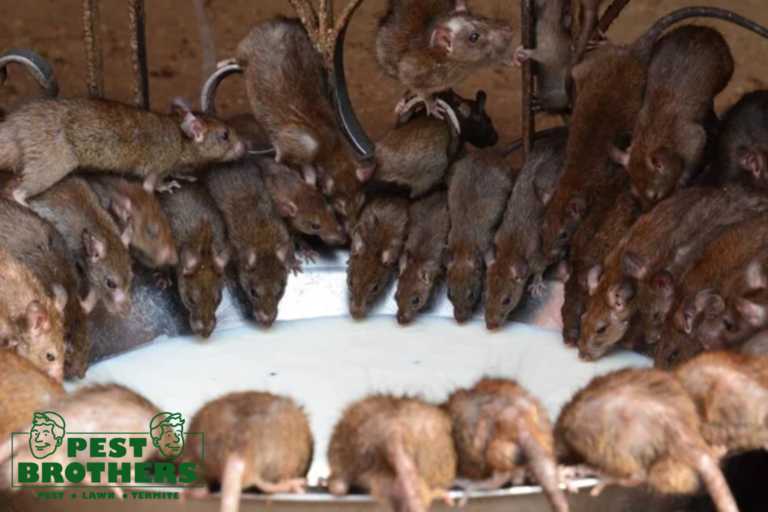
Rodents, particularly rats and mice, are a common issue in Coral Reef Park. The combination of dense vegetation, nearby water sources, and easy access to homes makes the area an ideal environment for rodents. They often invade attics, basements, and other hidden spaces, causing damage to insulation, electrical wires, and wooden structures. Rodents can also spread diseases like leptospirosis and hantavirus, posing serious health risks.
Why Coral Reef Park is Prone to Rodents:
- The area’s vegetation provides plenty of food, attracting rodents.
- Homes in Coral Reef Park provide shelter, especially during cooler months, making it easy for rodents to nest.
- Cracks and gaps in homes give rodents easy access to the indoors.
Prevention Tips:
To manage rodent issues in your home, seal cracks and gaps around your home’s foundation, windows, and doors. Store food securely, clean up crumbs or spills promptly, and regularly check for signs of rodent activity, such as droppings or chewed wires.
Mosquitoes: A Year-Round Problem in Coral Reef Park
Mosquitoes are a constant challenge for Coral Reef Park residents, especially during the summer months when they thrive in warm, humid conditions. The area’s proximity to water bodies, including ponds, lakes, and even birdbaths, creates the perfect breeding grounds for mosquitoes. These pests can make outdoor activities unpleasant and pose a health risk by transmitting diseases such as Zika and West Nile virus.
Why Coral Reef Park is Prone to Mosquitoes:
- The warm temperatures and humidity make it an ideal environment for mosquito breeding.
- Standing water in ponds, fountains, and other outdoor features provides mosquito larvae with a place to grow.
Prevention Tips:
To control mosquitoes, eliminate standing water in your yard. Ensure that gutters are clear, and that birdbaths and other containers don’t collect water. Use mosquito repellents around your home and consider installing screens or netting in outdoor areas. For a long-lasting solution, professional mosquito treatment services can provide relief and protection.
Termites: A Silent Threat in Coral Reef Park
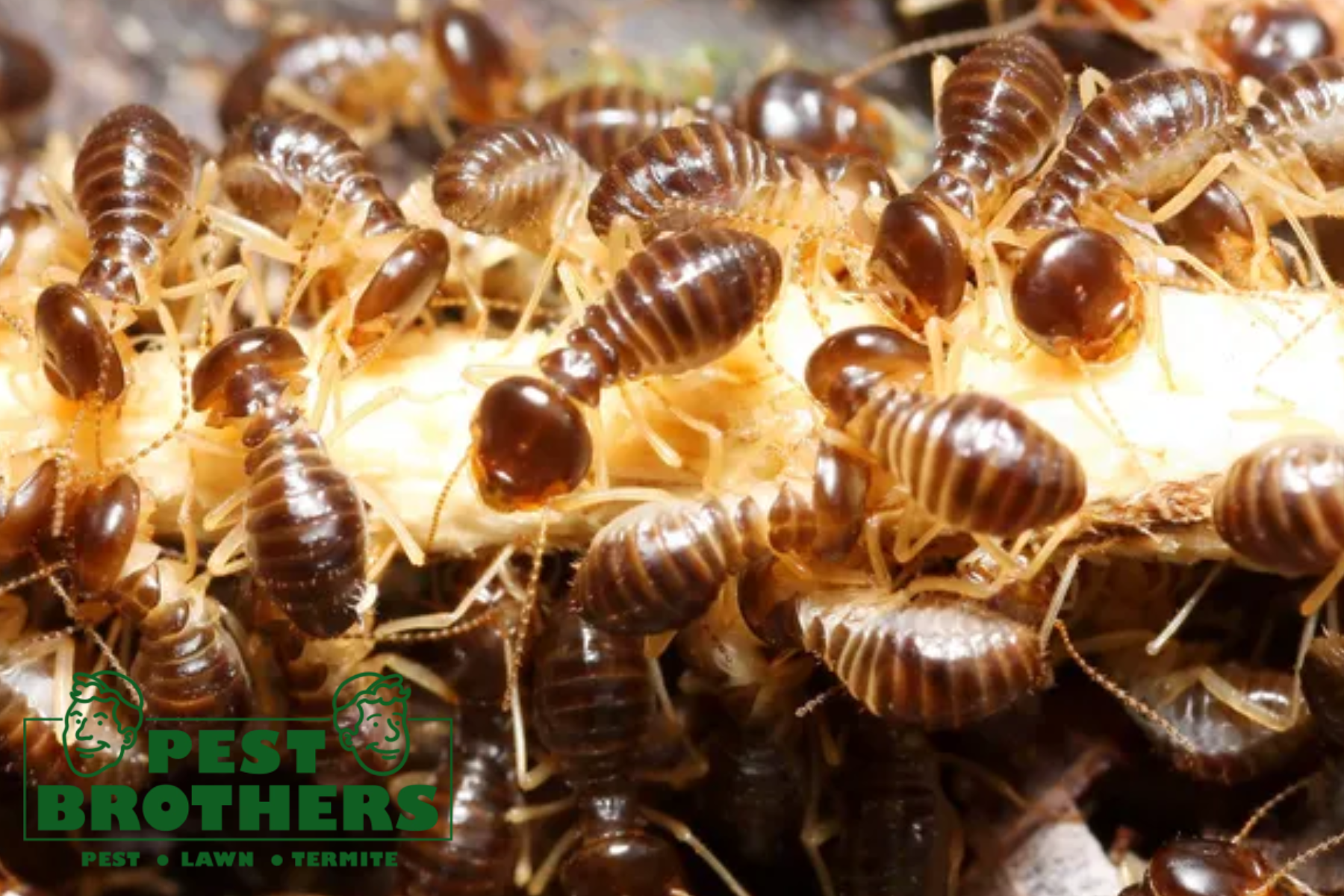
Termites are a significant threat to homes in Coral Reef Park, particularly subterranean termites. The humid climate and abundant vegetation make the area a perfect breeding ground for termites. If left untreated, termites can cause significant structural damage to your home, often before you even realize they’ve invaded.
Why Coral Reef Park is Prone to Termites:
- The region’s high humidity and moisture levels create the ideal environment for termite colonies.
- Nearby trees and wooden structures offer termites abundant food sources.
Prevention Tips:
Regular termite inspections are key to catching any infestations early. Keep wood, mulch, and other materials away from your home’s foundation, and consider installing a termite barrier around the perimeter. Professional termite treatments, such as liquid barriers and bait stations, can help prevent future infestations.
How to Prevent Common Pests in Coral Reef Park
H3: Rodent Management: Proactive Steps to Keep Your Home Safe
Effective rodent management begins with proper prevention. For homes in Coral Reef Park, it’s crucial to conduct regular inspections and seal any potential entry points around the foundation, windows, and doors. This reduces the risk of rodents infiltrating your home.
Rodent Management Tips:
Ensure doors have weatherstripping or door sweeps to keep rodents from sneaking under. Additionally, use rodent-proof materials to seal openings around pipes, vents, and windows.
Mosquito Management: Keeping Your Backyard Comfortable
If mosquitoes are affecting your outdoor enjoyment, start by removing breeding grounds around your property. Eliminating stagnant water is the first step to controlling mosquito populations in Coral Reef Park.
Mosquito Management Tips:
Regularly empty containers that collect water, such as plant pots, birdbaths, or even discarded tires. Also, consider using citronella candles or other natural repellents for outdoor gatherings.
Termite Prevention: Protect Your Property from Termite Damage
Termites can cause extensive damage to your home’s structure, but with regular inspections and treatments, you can protect your investment. In Coral Reef Park, termites pose a serious concern due to the region’s favorable conditions for them.
Termite Prevention Tips:
Install a moisture barrier in crawl spaces, and regularly check for any signs of termite activity. Consider investing in termite protection plans, such as bait systems or liquid treatments, to ensure your home stays safe.
Why You Should Call a Professional Pest Control Service
While DIY treatment can be effective for minor issues, professional pest control services in Palmetto Bay, FL offer a more comprehensive solution, especially for larger or persistent infestations. Licensed companies bring the necessary expertise and tools to effectively manage issues.
The Benefits of Professional Pest Control Services
- Comprehensive Solutions: Professional provides eco-friendly, safe treatments that effectively address a range of problems.
- Expert Knowledge: Licensed technicians are trained to identify and handle complex infestations in Coral Reef Park homes.
- Long-Term Protection: Palmetto Bay pest control companies provide ongoing maintenance and preventative treatments to keep your home bug-free year-round.
Conclusion: Protect Your Home from Pests in Coral Reef Park
Dealing with issues like rodents, mosquitoes, and termites is an ongoing challenge for Coral Reef Park homeowners, but it doesn’t have to be overwhelming. By taking proactive steps and scheduling regular inspections, you can protect your home from unwanted guests. However, for more persistent or severe infestations, it’s always best to rely on professional pest control services in Palmetto Bay.
For expert pest management, we are here to help. Our licensed technicians provide eco-friendly, effective solutions tailored to your home’s unique needs. Whether you’re dealing with rodents, mosquitoes, or termites, we offer reliable services that will keep your home safe and bug-free.
Call Pest Brothers, Inc. Today!
If you’re dealing with pests, Pest Brothers, Inc. – Pest, Lawn, & Termite Control offers expert solutions tailored to your needs. We prioritize your safety and satisfaction, using environmentally friendly methods to ensure long-term protection. Call today for your free estimate!
Ready for a free quote? Contact us today for professional services in Palmetto Bay and the surrounding areas. Let us help you protect your home with our expert services and excellent customer care.
FAQ Section:
1. What are the signs of a rodent infestation in my Coral Reef Park home?
Signs of a rodent infestation include droppings, gnaw marks, chewed wires, and hearing scurrying noises, especially at night. If you notice any of these signs, it’s important to take action immediately.
2. How can I control mosquito populations in my Coral Reef Park backyard?
To control mosquitoes, eliminate standing water, use natural repellents, and consider professional treatments for long-term mosquito control.
3. How can I prevent termites from damaging my home in Coral Reef Park?
Regular termite inspections and proactive treatments, such as termite barriers and bait systems, are essential for preventing termite damage.
4. How often should I schedule pest control in Coral Reef Park?
We recommend scheduling services at least once a year for general maintenance. For ongoing issues like rodents or mosquitoes, more frequent treatments may be necessary.