Professional pest control eliminates an infestation at the source by identifying where pests enter, hide, feed, and reproduce, then treating those areas based on the pest and property conditions. The process can also address entry points, moisture, food sources, and other factors that allow pests to remain or return.
What Does “Eliminating an Infestation at the Source” Mean?
Eliminating an infestation at the source means addressing more than the pests that are visible. A technician looks for the conditions allowing the infestation to continue, including where pests are entering, where they are hiding, and what they are using for food, water, or shelter.
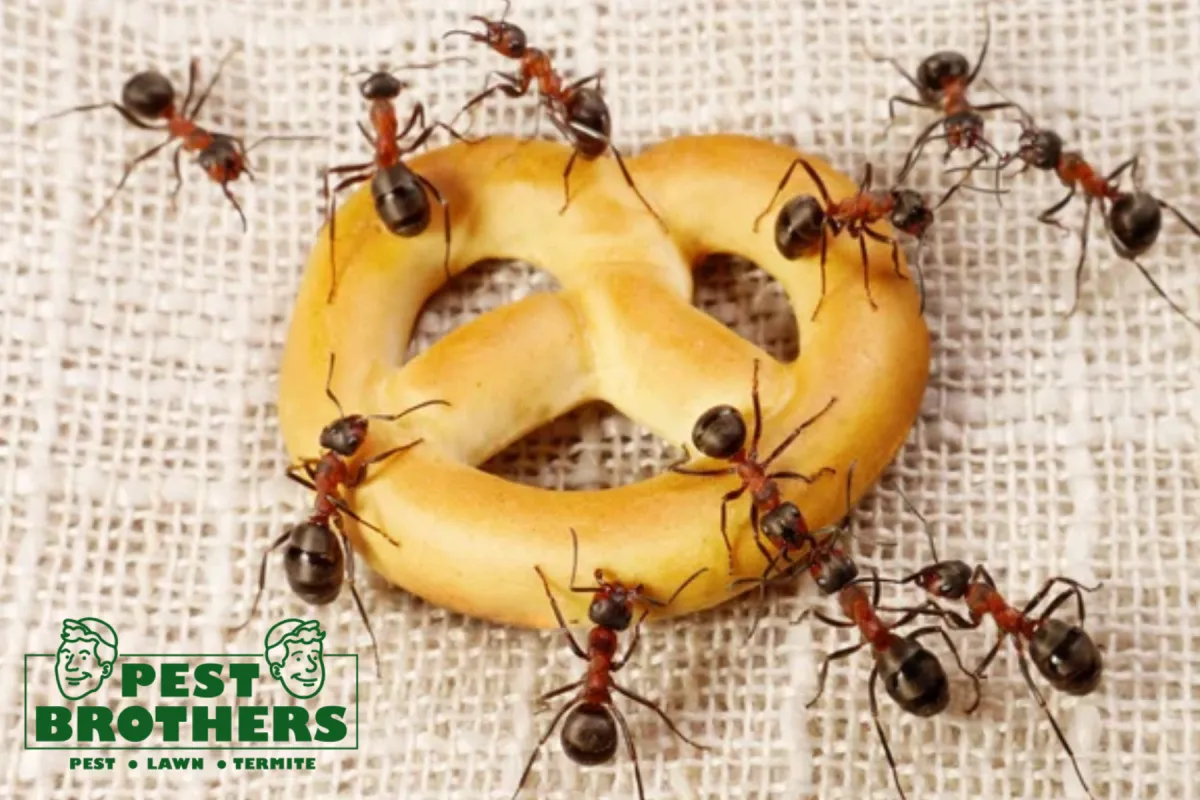
This matters because visible pest activity does not always show the full extent of a problem. Ants may be following a trail from a hidden colony, rodents may be moving through wall or attic spaces, and cockroaches may be hiding in areas that are rarely disturbed.
The goal is to connect the visible signs with the conditions behind them. That can mean treating an active area while also addressing entry points, moisture, sanitation issues, or other factors that contribute to continued activity.
For homeowners seeking pest control in Weston, FL, this source-focused approach can provide a more complete response than treating visible pests alone.
How Do Professional Pest Control Technicians Find the Source?
An inspection gives technicians the information needed to determine what is happening before treatment begins. The inspection can vary based on the pest, property, and signs of activity.
Inspecting Common Entry Points
Pests can use small openings to enter a property. Depending on the situation, technicians may look at:
- Gaps around doors and windows
- Cracks in foundations or exterior walls
- Openings around pipes and utility lines
- Damaged screens
- Roof and attic openings
- Garage door gaps
- Vents and other exterior openings
Finding these areas is particularly useful when pest activity continues after previous treatment.
Identifying Food, Water, and Shelter
Pests need resources to survive. Technicians may look for:
- Food debris
- Accessible trash
- Leaking pipes or faucets
- Standing water
- Excess moisture
- Clutter
- Organic debris
- Dense vegetation close to structures
A recurring pest problem can be easier to manage when these conditions are identified and corrected where possible.
Looking for Hidden Signs of Activity
Professionals also look for evidence that may not be obvious during a normal walk-through. This can include droppings, nesting material, gnaw marks, damaged materials, insect skins, egg cases, grease marks, or established pest trails.
These signs can help determine whether activity is isolated or whether pests may be using multiple areas of the property.
What Are the 5 Steps Professional Pest Control Uses to Address an Infestation?
A source-focused service can be broken into five practical steps:
- Inspect the property
The technician evaluates visible activity and searches for signs of hidden pest activity. - Identify the pest and activity pattern
Correct identification helps determine which control methods are appropriate. - Find contributing conditions
The technician looks for entry points, food, water, moisture, shelter, nesting areas, and other conditions supporting the infestation. - Apply targeted treatment
Treatment is selected according to the pest, location, severity, and conditions found during the inspection. - Prevent and monitor future activity
Where appropriate, exclusion, sanitation improvements, follow-up visits, and monitoring can help reduce recurring problems.
The purpose of these steps is to treat the infestation based on what is actually happening at the property rather than applying the same solution to every pest problem.
How Is Professional Pest Control Different From Killing Visible Pests?
Killing visible pests can reduce what a homeowner sees, but it does not necessarily address where those pests are coming from.
| Approach | Main Focus | Entry Points | Contributing Conditions | Prevention |
| Killing visible pests | Immediate activity | Usually not addressed | Usually not addressed | Limited |
| DIY treatment | General pest reduction | Sometimes | Sometimes | Depends on the approach |
| Professional treatment | Identified pest activity | Addressed when appropriate | Evaluated | Often included |
| Treatment plus exclusion | Control and prevention | Specifically addressed | Evaluated and corrected where possible | Stronger prevention |
Professional service is not simply about using a stronger product. It is about using inspection findings to determine where treatment is needed and what else may be allowing the infestation to continue.
For homeowners researching Weston, FL pest control, this distinction is important when pest activity keeps returning despite repeated attempts to remove visible insects or rodents.
What Treatment Methods Can Professional Pest Control Use?
The appropriate treatment depends on the pest and the conditions found during the inspection. A professional may use one method or combine several methods.
Targeted Insect Treatments
Certain insect infestations may require targeted treatment in areas where pests travel, hide, or enter. The treatment should correspond to the identified pest and the areas of activity.
Baiting and Monitoring
Baits can be useful for certain pests because they take advantage of the pest’s feeding behavior. Monitoring devices can also help technicians determine whether activity is decreasing or continuing.
Trapping
Trapping may be appropriate for rodents and other pests where physical removal is part of the control strategy. Placement matters because pest movement patterns can affect results.
Exclusion
Exclusion focuses on reducing pest access to a property. Depending on the situation, this can involve identifying and addressing appropriate gaps, openings, or other potential entry routes.
Environmental Corrections
Some pest problems are supported by conditions around the property. Reducing excess moisture, improving sanitation, removing clutter, or changing conditions that provide shelter can make the property less favorable to pests.
What Factors Determine Which Pest Control Method Is Used?
Professional treatment decisions can depend on several factors:
Pest species: Different pests have different behaviors, feeding patterns, nesting habits, and control needs.
Infestation severity: A small, isolated problem may require a different response from an established infestation.
Location of activity: Interior rooms, attics, crawl spaces, garages, landscaping, and exterior areas may require different strategies.
Entry routes: Openings that provide pest access may need to be addressed as part of the overall plan.
Food and water sources: Accessible resources can support continued pest activity.
Property conditions: Moisture, vegetation, structural gaps, and clutter can influence where pests travel and hide.
Treatment history: Previous treatments can provide useful information about what has already been attempted and how the infestation responded.
A proper assessment brings these factors together before the treatment plan is selected.
Why Do Some Pest Infestations Return After Treatment?
Recurring pest activity does not always mean that treatment was ineffective. Several conditions can allow new or remaining pests to appear.
Untreated Entry Points
If pests can still enter through cracks, gaps, vents, or other openings, new activity can occur after the original population has been reduced.
Persistent Food or Water Sources
Accessible food and water can continue to attract pests. Removing or reducing these resources can support long-term pest management.
Hidden Nesting Areas
Some pests establish nests or harborage areas in places that are difficult to access. Visible activity may decline while hidden activity continues.
Lack of Follow-Up
Some infestations need monitoring or additional treatment. The appropriate schedule depends on the pest, property conditions, severity, and treatment method.
This is especially relevant where warm and humid conditions can create favorable environments for pest activity. The local service page also emphasizes addressing root causes rather than treating symptoms alone.
Common Pest Control Myth: Killing Every Visible Pest Eliminates the Infestation
Myth: If you stop seeing pests after treatment, the infestation is automatically gone.
Reality: A reduction in visible activity does not always confirm that the underlying problem has been resolved.
Pests can remain hidden, eggs or nesting areas may not be immediately visible, and untreated entry points can allow new pests to enter. For that reason, effective pest management looks at both current activity and the conditions supporting it.
Inspection, targeted treatment, source reduction, exclusion, and monitoring can each have a role depending on the pest and property.
Applying Our Family-Owned, Eco-Friendly Treatment Approach to Solve This
Our approach to Weston pest control combines the values of a family-owned company with practical pest management methods. The goal is not simply to remove pests as quickly as possible. It is to understand the problem, choose an appropriate treatment, and help customers maintain a property that is less attractive to recurring pest activity.
Start With the Property, Not a One-Size-Fits-All Treatment
Every property has different conditions. Our technicians consider the pest, activity level, possible entry points, moisture, food sources, shelter, and other factors before determining the appropriate service.
This allows the treatment plan to be based on the actual problem rather than a generic application.
Use Environmentally Friendly and Safe Pesticides Responsibly
Our eco-friendly approach means using environmentally friendly and safe pesticides as part of a measured pest management strategy. The focus is on applying the appropriate treatment where it is needed rather than treating every area unnecessarily.
Product selection and application should always reflect the pest, location, treatment objective, and property conditions.
Apply Integrated Pest Management Principles
Integrated Pest Management, or IPM, brings several pest-control practices together instead of depending on one treatment alone.
Our approach can include:
- Identifying the pest correctly
- Inspecting for activity and entry points
- Using targeted treatment
- Reducing conditions that attract pests
- Addressing appropriate access points
- Monitoring activity
- Recommending follow-up when needed
This helps shift the focus from short-term pest removal to practical, long-term management.
Keep the Customer Informed
Being family-owned also shapes how we work with customers. We want homeowners and business owners to understand what we find, what the treatment is intended to address, and what steps they can take afterward.
The goal is a service experience that feels straightforward and reassuring, not confusing or intimidating.
How Can Homeowners Help Professional Pest Control Work More Effectively?
Homeowners can support professional pest management by reducing conditions that attract or shelter pests.
- Remove accessible food sources.
- Store food in sealed containers.
- Repair leaks and reduce excess moisture.
- Reduce unnecessary clutter.
- Maintain door and window screens.
- Address appropriate gaps and openings.
- Follow preparation instructions before treatment.
- Follow post-treatment recommendations.
- Report continued or unusual pest activity.
These steps do not replace professional treatment when an infestation is established, but they can help reduce conditions that support pest activity.
When Should You Hire Professional Pest Control?
Professional help may be appropriate when:
- Pest activity keeps returning.
- You regularly see multiple pests.
- You find signs of nesting or reproduction.
- You discover damage associated with pest activity.
- DIY treatments provide only temporary relief.
- You cannot identify the pest.
- The infestation is located in a difficult-to-reach area.
- You suspect pests are spreading beyond the visible area.
Getting an inspection early can also help identify contributing conditions before the problem becomes more difficult to manage.
People Also Ask
How does professional pest control eliminate an infestation at the source?
Professional pest control begins by identifying the pest, locating its activity, and looking for entry points, food, water, shelter, and nesting areas. Technicians then select targeted treatment and appropriate prevention measures based on those findings.
How long does professional pest control take to eliminate an infestation?
The timeline varies based on the pest species, infestation severity, property conditions, and treatment method. Some activity may decline quickly, while established infestations can require follow-up treatment and monitoring.
Why are pests sometimes still visible after professional treatment?
Some treatments take time to work, and pests may remain hidden or emerge from treated areas before activity declines. Continued activity should be reported to the pest control provider so the situation can be evaluated.
Does professional pest control prevent pests from coming back?
Professional pest control can reduce the risk of reinfestation by combining treatment with measures such as exclusion, moisture management, sanitation improvements, and monitoring. However, no pest-control service can guarantee that pests will never return.
Is professional pest control better than DIY treatment?
The appropriate option depends on the pest, infestation severity, property conditions, and whether the source can be identified and addressed. Professional service adds trained inspection, targeted treatment, and guidance for addressing contributing conditions.
How often should professional pest control be performed?
Service frequency depends on pest pressure, property conditions, treatment goals, and whether the customer needs corrective or preventive service. A technician can recommend an appropriate schedule after assessing the property.
Address the Source With Professional Pest Control
Effective pest management starts with understanding more than what is visible. The key questions are where pests are coming from, what is attracting them, and what allows them to remain on the property.
Pest Brothers, Inc. – Pest, Lawn, & Termite Control combines targeted treatment, IPM principles, environmentally friendly and safe pesticides, and practical prevention measures to address pest concerns. As a family-owned company, we also put clear communication and customer satisfaction at the center of the service.
For homeowners seeking pest control, contact us today to discuss your pest concerns with the team.