Rats chew through expanding foam because their incisors, which grow continuously throughout their lives, are hard enough to shred through soft polyurethane in seconds. While foam is an excellent thermal insulator, it lacks the mechanical density needed to stop a rodent; true protection requires a combination of professional exclusion techniques and high-durability materials such as stainless steel mesh.
The Biological Reality of Rodent Damage
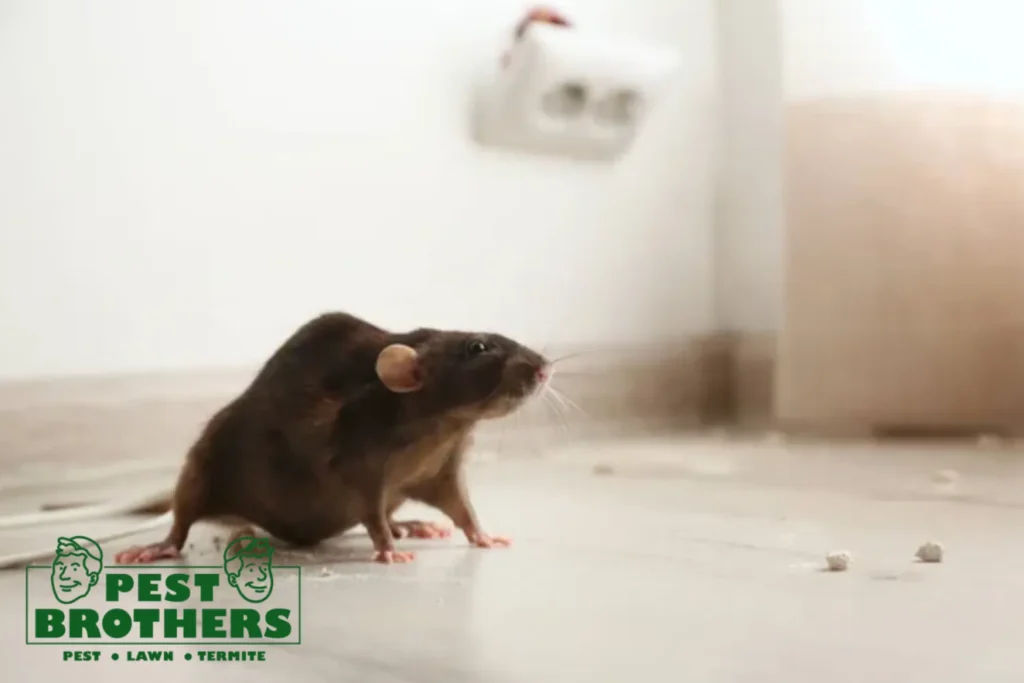
If you have ever discovered a jagged hole in a can of “Pest Block” foam, you have witnessed the biological drive of a rat. A common misconception in the world of DIY home repair is that sealing a gap with foam is enough to keep intruders out. However, to a rat, expanding foam is essentially “hardened air.” It provides no structural resistance and is often harvested by rodents for use as soft bedding in their nests.
In many coastal neighborhoods, where humidity and salt air can weaken traditional building materials, rats are constantly seeking out soft points of entry. During a recent audit of a firm in a bustling commercial district, we found that rats had tunneled through nearly 3 ft of industrial spray foam to reach a climate-controlled storage area. This highlights why homeowners must move beyond “soft” seals to protect their property.
Comparing Material Resistance: Why Foam Fails
To understand how to stop a rat, we must look at the Mohs hardness scale. A rat’s enamel is harder than iron, copper, and aluminum. When they encounter a material like expanding foam, they don’t even need to “eat” it; they simply move it out of their way.
Material Durability for Rodent Exclusion
| Material | Rodent Resistance Level | Primary Failure Mode |
| Standard Expanding Foam | Very Low | Easily shredded; used as nesting material. |
| Plywood/Softwoods | Low | Gnaw through if a scent trail is present. |
| PVC / Thin Plastic | Moderate | Edges can be “rounded off” until a breach occurs. |
| Concrete / Mortar | High | Effective if finished smoothly with no “tooth-hold.” |
| Stainless Steel Mesh | Maximum | Incisors cannot grip or penetrate the metal fibers. |
If you are currently struggling with an infestation, relying on foam is a recipe for a re-infestation. You need a partner who provides Palmetto Bay pest control with a focus on “hardening” the structure.
The Top 3 Materials for a Professional Chew-Proof Seal
If foam isn’t the answer, what is? Professional rat control involves “layering” defenses so that even if a rodent tries to chew, it encounters a painful, impassable barrier.
1. Stainless Steel or Copper Wool
Unlike the steel wool you find in a grocery store, professional-grade stainless steel wool does not rust or disintegrate. When a rat attempts to chew through this material, the sharp, needle-like fibers irritate their sensitive mouth and gums, forcing them to retreat. We often “sandwich” this mesh between layers of high-density sealant.
2. Galvanized Hardware Cloth
For larger openings, such as crawlspace vents or attic fans, 1/4-inch galvanized hardware cloth is the gold standard. It is a rigid metal screen that allows for necessary airflow while creating a physical wall that no rat can penetrate.
3. Specialized Rodent-Proof Sealants
There are now high-performance caulks infused with crushed glass or bittering agents. These are designed to stay flexible enough to handle the settling of a home while providing a texture that breaks a rodent’s tooth if they try to gnaw on it.
Applying Our Dental Defiance Protocol to Your Home
At Pest Brothers, Inc., we don’t just set traps and leave. We believe in being honest and credible, which means telling you the truth: if you don’t fix the holes, the rats will return. That is why we utilize our proprietary Dental Defiance Protocol, a comprehensive approach to home fortification.
Quick Response Time and Expert Analysis
When you call us for pest control in Palmetto Bay, FL, we pride ourselves on a Quick Response Time. We know that every hour a rat is in your home is an hour they are damaging wires and insulation. Our technicians perform a forensic sweep to identify the “logic” of the rodent, finding the exact paths they take and the high-torque corners where they are most likely to chew.
More Pests Covered Under One Plan
Our approach is holistic. Because our plans cover more pests than the average provider, we look for the 1/16-inch gaps that let in ants while we seal the 1/2-inch gaps that let in rats. This multi-species focus ensures your home is a true fortress.
Professional Rat Trapping and Exclusion Techniques
The core of our success lies in our rat trapping and exclusion techniques. We never use foam as a primary barrier. Our protocol requires:
- Mechanical Reinforcement: Embedding metal mesh into all seals.
- Pheromone Neutralization: Cleaning the area with enzymatic solutions so that other rats aren’t “called” to the hole by the smell of the previous inhabitant.
- Structural Hardening: Replacing vulnerable materials with rodent-proof alternatives.
Why Family-Owned Values Matter for Pest Control
As a family-owned business, we are committed to the safety and comfort of your home. We aren’t a giant corporation with “cookie-cutter” solutions. We prioritize a personalized experience, offering flexible service plans and a satisfaction guarantee. When we perform pest control in Palmetto Bay, we treat your house with the same care and precision we would our own.
Our tone is professional yet approachable to make treatment less intimidating. We want you to feel confident and reassured that your family’s environment is being protected by expert technicians who genuinely care. We believe in integrity and transparency, and we use only environmentally friendly, safe pesticides alongside Integrated Pest Management (IPM) techniques.
People Also Ask (FAQ)
Can rats eat through “Pest Block” foam?
Yes. While some foams contain bittering agents to deter insects, they do not stop rodents. A rat’s motivation to reach food or warmth is much stronger than their dislike of a bitter taste. They will chew through it regardless.
Will concrete keep rats out forever?
Generally, yes, but only if it is applied correctly. If concrete is poured with a rough finish, a rat can get a “tooth-hold” on the edge and slowly chip away at it. Professional exclusion ensures a smooth, impenetrable finish.
Why is my rat problem coming back every winter?
This is usually due to poor exclusion. If the holes are only “plugged” with soft materials like foam or wood, new generations of rats will follow the old scent trails back to your home. You need professional exclusion techniques to break the cycle.
Is rat trapping safe for my pets?
At Pest Brothers, we use tamper-resistant bait stations and secure trapping methods to keep the “business end” of the equipment out of reach of your curious dogs or cats. Your peace of mind is our priority.
Secure Your Peace of Mind with Pest Brothers
Are you tired of the scratching in the walls and the constant worry about property damage? At Pest Brothers, Inc., we aim to evoke confidence and security in every customer we serve. Our team of licensed technicians is ready to provide expert solutions tailored to your specific needs, ensuring the best results with minimal disruption to your daily life.
We don’t just kill pests; we deliver long-term solutions that protect your investment. From our Quick Response Time to our comprehensive rat trapping services, we are the trustworthy partners you’ve been looking for.
Ready to reclaim your home? Reach out for a consultation or a free quote today. Let our family-owned team show you the difference that professional, customer-centric care can make.