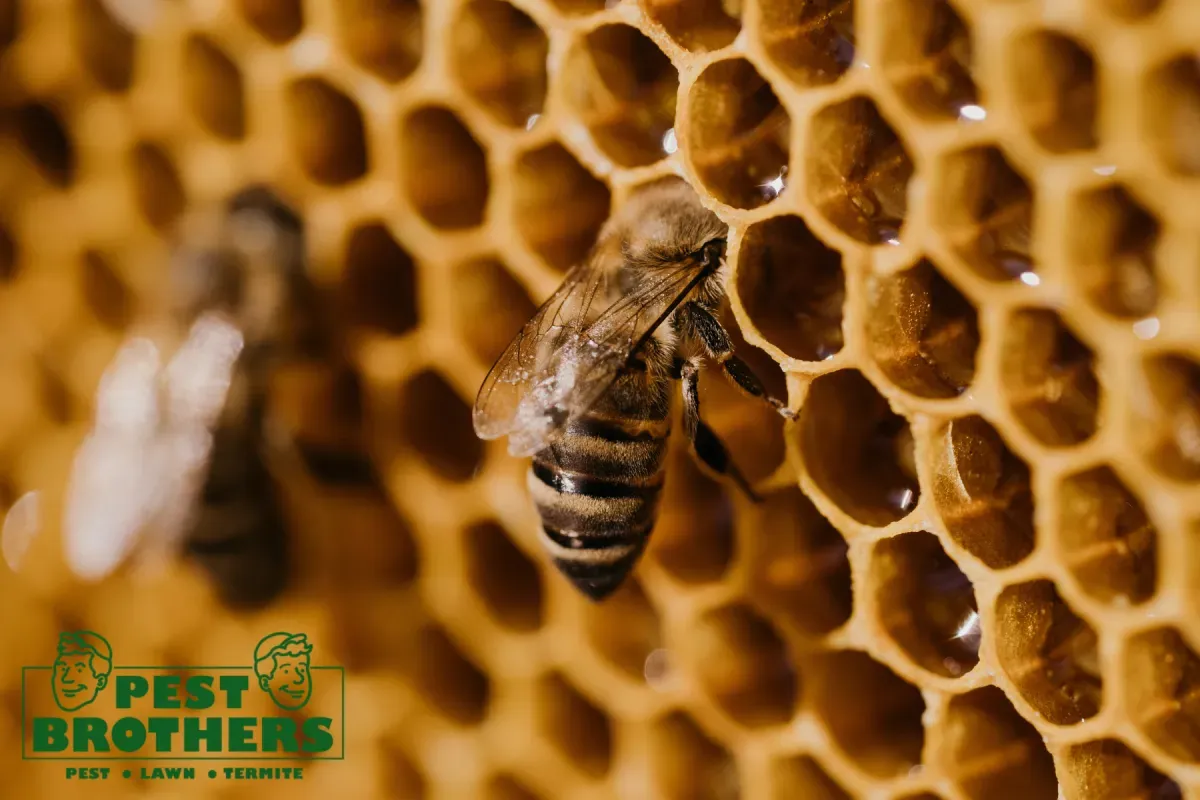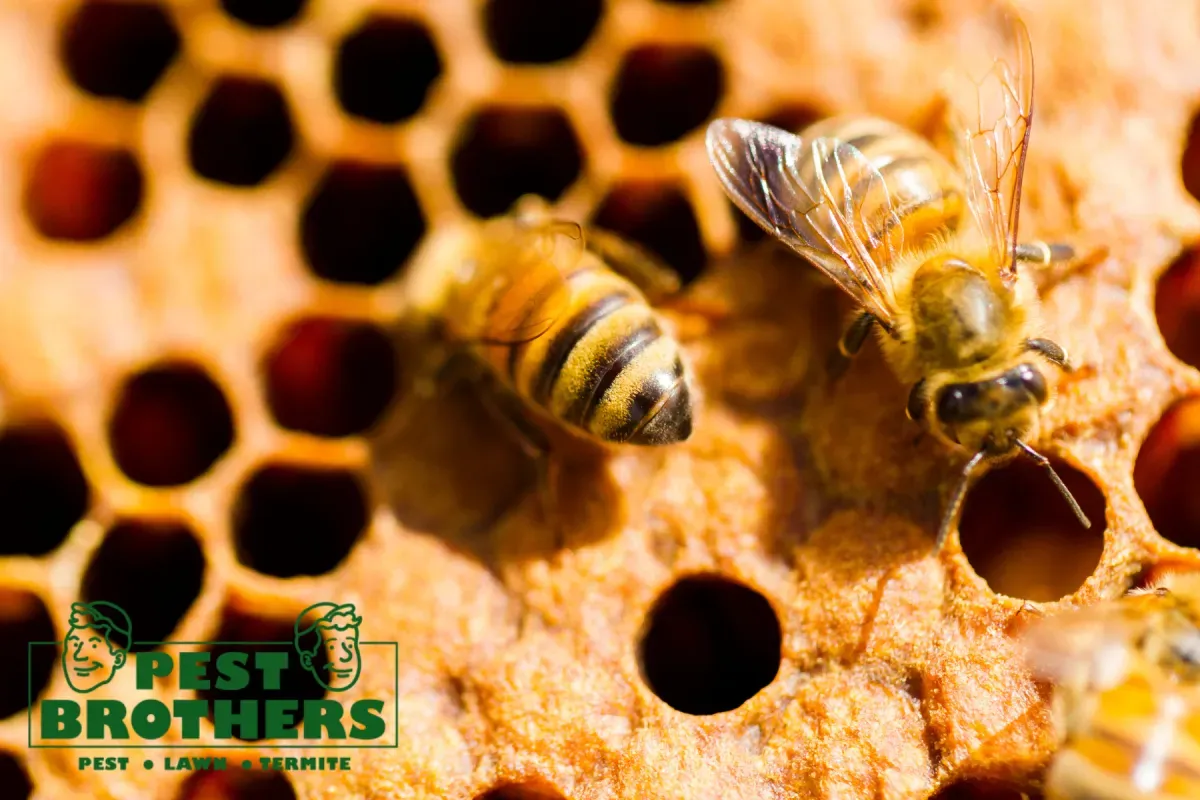
The primary difference between bee removal and bee extermination is that bee removal extracts and relocates live bees, queens, and honeycombs without harming the colony, whereas bee extermination uses pesticides to kill the insects on site. Live removal protects essential pollinators and prevents secondary structural damage caused by leftover honey, while extermination is generally restricted to dangerous, aggressive wasp species or emergencies where live extraction is impossible.
Noticing a sudden rise in insect activity around your roofline, porch, or wall voids can be alarming. When stinging insects build a nest on your property, deciding how to handle them is a major decision. Many people use the terms “removal” and “extermination” as if they mean the same thing, but they represent two completely different strategies with very different long-term results for your home and the local environment.
Choosing the right approach requires knowing how live extraction differs from chemical spraying. Understanding these differences helps you protect your home framing, avoid costly wall repairs, and keep your family safe.
Understanding the Two Approaches: Extraction vs. Eradication
Deciding between live removal and extermination depends on insect species, colony location, and long-term risk to your property structure.
1. Live Bee Removal (Eco-Friendly Relocation)
Live extraction focuses on saving the insects while completely clearing the nest cavity. Technicians use specialized low-vacuum equipment and gentle smoke to gather worker bees and safely locate the queen. Once the live insects are contained, technicians open the structural void to completely remove all wax, honey, and brood chambers.
After the hive is removed, the captured colony is transferred to a local apiary or beekeeper where they can continue pollinating local crops and flowers. Finally, technicians clean the entry cavity, neutralize lingering scents, and seal the area to keep new swarms from moving into the same spot. Choosing professional bee removal ensures that the entire colony is safely relocated while your walls remain free of rotting honey and structural decay.
2. Bee Extermination (Chemical Eradication)
Extermination uses chemical treatments to kill the insects inside the nest quickly. Technicians apply aerosol, dust, or liquid insecticides directly into the hive entrance to eliminate adult insects. This method is mainly used when dealing with aggressive yellowjackets, hornets, or dangerous swarms where live extraction is impossible or poses an immediate threat to human safety.
However, chemical spraying often leaves the physical honeycomb, wax, and dead insects trapped inside wall voids. Without a separate construction cutout to physically remove the comb, unharvested honey remains hidden behind your drywall.
Direct Comparison: Live Bee Removal vs. Bee Extermination
This comparative matrix breaks down how both methods perform across critical environmental, financial, and structural metrics.
Comparison Table: Methodological & Structural Breakdown
| Feature / Metric | Live Bee Removal | Bee Extermination |
| Primary Goal | Relocate colony and preserve pollinators | Eliminate immediate insect population |
| Chemical Usage | Zero pesticides; natural smoke & vacuuming | Chemical insecticides / synthetic dusts |
| Comb & Honey Removal | Full manual removal of wax, honey, and brood | Often left in place unless manually cut out |
| Environmental Impact | Highly positive (Saves honeybee populations) | Negative (Contributes to pollinator decline) |
| Risk of Secondary Pests | Low (Pheromones & honey are completely removed) | High (Fermenting honey attracts rats, ants, & wax moths) |
| Structural Damage Risk | Low (Comb is removed and cavity is sealed) | High (Unremoved honey melts and ruins drywall) |
| Best Used For | Honeybees, bumblebees, and established nests | Yellowjackets, hornets, and extreme safety hazards |
Property owners looking for reliable pest control in Opa-Locka, FL often discover that live extraction saves money in the long run by preventing melted honey from destroying internal drywall.
Key Terminology & Biological Concepts
Live Extraction (Cut-Out): The physical process of cutting into a wall void or structural cavity to remove live bees, wax combs, and honey, followed by structural rebuilding and sealing.
Secondary Damage (Honey Fermentation): Structural decay caused when an exterminated hive loses temperature regulation, causing unharvested honey to melt, soak through drywall, and rot wood framing.
Absconding & Swarming: The natural behavior where a portion of a bee colony splits and leaves the original nest in search of a new harborage location.
Bee Exclusion: Specialized structural repairs using flashing, wire mesh, and exterior sealants to close entry gaps larger than 1/8 inch, keeping future swarms out.
Pheromone Masking: Applying enzymatic cleaners to an old hive cavity to neutralize residual queen scent markers that would otherwise attract new swarms for years.
When evaluating choices for pest control in Opa-Locka, selecting technicians who understand these biological concepts ensures your property receives complete, lasting protection.
Applying the Pest Brothers Hive Care Method to Solve This
At Pest Brothers, Inc. – Pest, Lawn, & Termite Control, we believe in providing safe, effective, and tailored solutions for every property owner. As a family-owned business, we treat your home with the same care and attention we give our own. We combine eco-friendly methods with Integrated Pest Management (IPM) practices to deliver complete protection without unnecessary risk. During a recent audit for a firm in Opa-Locka, our technicians identified an active wall hive that required specialized extraction tools to prevent honey leakage into lower office spaces.
Our systematic approach to handling stinging insects and property care relies on dedicated, professional steps:
- Comprehensive Hive Extraction: We perform a complete physical removal of live bees, wax combs, and honey stores, ensuring no decaying organic matter stays inside your walls.
- Africanized Bee Management: Our licensed technicians are trained to identify aggressive hybrid strains safely, taking special safety steps to protect your family and neighborhood.
- Utilize Professional Tools: We utilize professional tools, including thermal imaging cameras, specialized low-pressure vacuums, and precision cutting tools, to locate and extract hidden hives with minimal wall disruption.
- Pheromone Neutralization: We scrub and treat interior voids using specialized enzymatic agents for Pheromone Neutralization, destroying scent markers that attract future swarms.
- Integrated Lawn & Property Protection: Beyond wall hives, our team handles broader property health using targeted fungicide treatments, precision herbicide applications, balanced fertilizer programs, and safe insecticide treatments to keep your lawn and landscape healthy.
- Safe Hive Extraction and Colony Management: We prioritize safe hive extraction and colony management, working closely with local beekeepers to relocate healthy honeybee colonies to safe apiaries.
- Proactive Exclusion and TAP Insulation Support: Once the hive is out, we install durable structural seals and offer Proactive Exclusion and TAP Insulation Support to restore thermal efficiency and protect attic spaces against future pest invasions.
Debunking the Industry Myth: Chemical Extermination Is Cheaper and Faster Than Live Removal
A widespread myth claims that spraying a hive with pesticide aerosol is always the cheapest and easiest way to fix a bee problem. While an exterminator’s initial service fee might seem lower upfront than a full live removal cut-out, chemical spraying often leads to massive hidden costs later on.
When you kill a colony without removing the hive, thousands of wax cells full of honey and dead grubs remain trapped inside your walls. Live bees constantly fan the hive to keep it cool. Without live bees regulating the temperature, the wax comb softens and melts under summer heat.
Fermenting honey then seeps through drywall, warps wood framing, ruins insulation, and leaves dark, sticky stains on interior walls. Furthermore, rotting honey attracts secondary pests like carpet beetles, wax moths, ants, and mice. Homeowners who rely on quick chemical spraying over live removal often end up paying thousands of dollars later in drywall repairs and secondary pest control.
Relying on experienced Opa-Locka pest control specialists ensures the entire hive structure is removed, protecting your home’s structural integrity and saving you from costly repairs down the road.
People Also Ask
Q: Is it illegal to exterminate honeybees?
A: Laws vary by state and county. While honeybees are not strictly protected under federal endangered species laws in all regions, local regulations often restrict or prohibit spraying wild honeybee colonies because of their vital role in agricultural pollination.
Q: What happens if you spray a beehive inside a wall with aerosol spray?
A: Aerosol sprays rarely reach deep enough into wall voids to eliminate the queen. The chemicals agitate the colony, causing defensive bees to flood into your living space through outlets or baseboard gaps while leaving unharvested honey to rot inside the wall.
Q: How do you know if you have honeybees or yellowjackets?
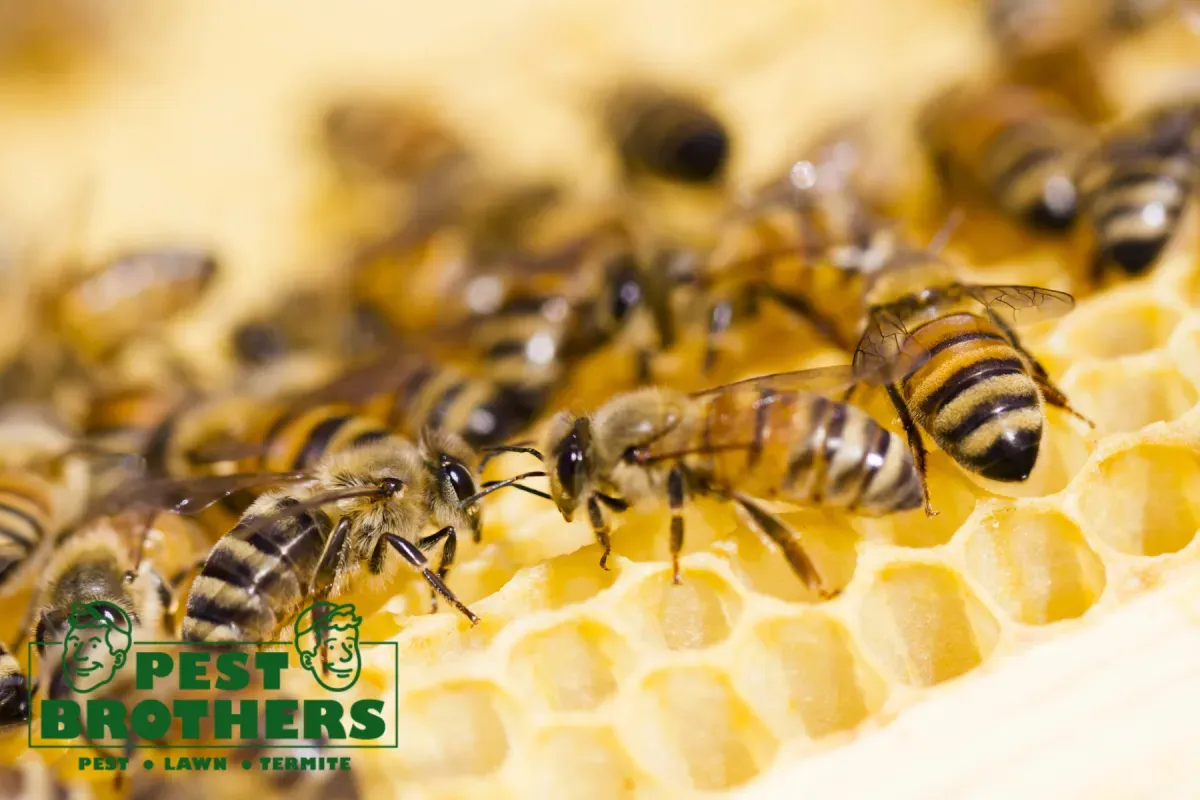
A: Honeybees are golden-brown, hairy, move calmly, and build wax combs. Yellowjackets are smooth, bright yellow and black, highly aggressive, and build papery nests underground or inside structural voids.
Q: Can a beekeeper remove bees from inside my wall for free?
A: Most hobbyist beekeepers only collect open, exposed swarms resting on tree branches for free. Removing an established colony hidden inside a wall requires specialized tools, carpentry skills, insurance, and structural repairs, which require a professional removal service.
Q: Why does honey melt after a hive is exterminated?
A: Live bees actively fan their wings to keep hive temperatures around 93°F. When the bees are killed, summer heat causes the unattended wax combs to melt, releasing gallons of honey directly into wall framing and drywall.
Protect Your Property and Save the Bees Today
Choosing between bee removal and bee extermination comes down to protecting your home from structural damage while preserving essential pollinators. Live removal eliminates the root cause of the infestation, the queen, comb, and honey, ensuring long-term protection without leaving decaying hive materials behind inside your walls.
At Pest Brothers, Inc. – Pest, Lawn, & Termite Control, we are committed to giving you complete confidence and peace of mind. As a family-owned local business, our licensed technicians combine expert knowledge with a friendly, approachable touch to solve your pest concerns quickly and thoroughly.
Dealing with an active hive or bee swarm on your property? Contact us today to schedule your professional property inspection!