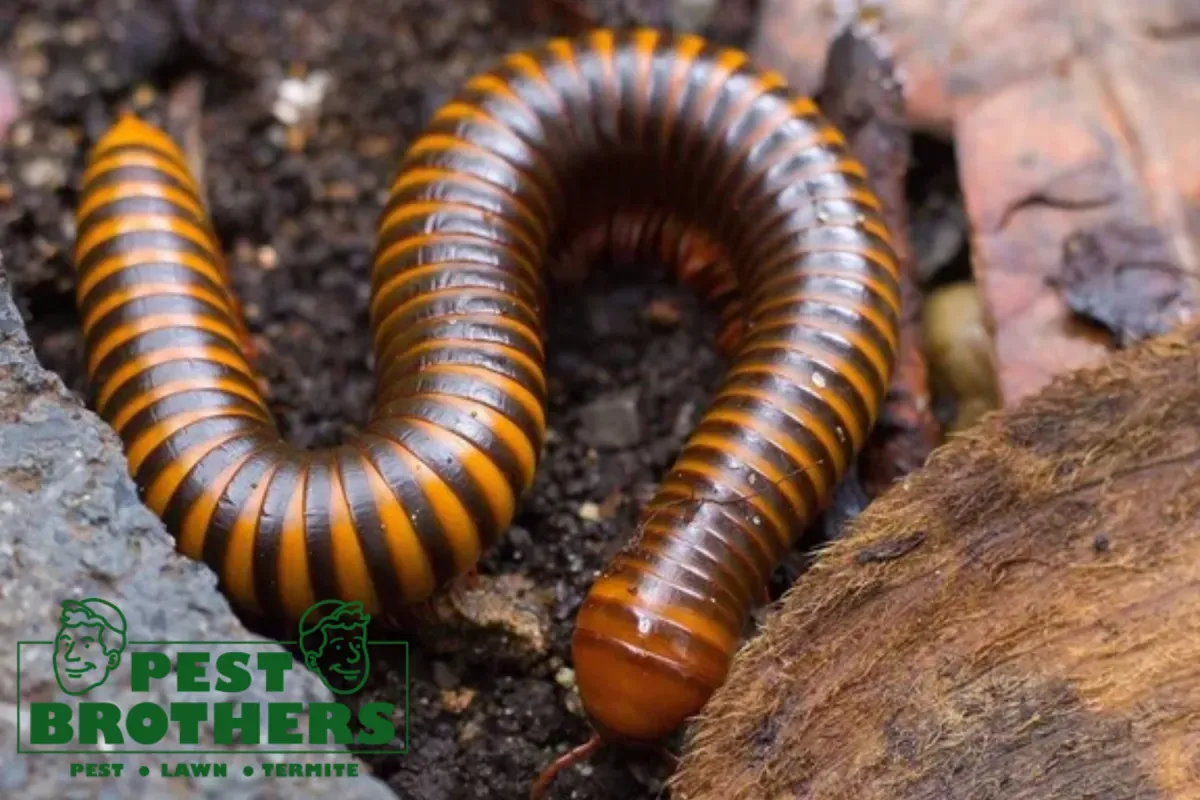
If you’re noticing millipedes in your garden in Kendall, FL, you’re not alone. These multi-legged pests thrive in the lush vegetation and humid environment provided. While they play a role in breaking down organic matter, they can also damage your plants. In this post, we’ll explore what they eat, how they affect your garden, and provide natural, effective ways to get rid of them.
What Do Millipedes Eat in the Lush Vegetation?
Millipedes are primarily decomposers, meaning they feed on decaying organic matter. In the lush vegetation, they thrive by eating fallen leaves, dead plants, and other decaying matter. This makes them a natural part of the garden ecosystem, as they help break down organic material and recycle nutrients into the soil. However, while they are beneficial in some ways, they can also be problematic when their populations grow too large.
What Does a Millipede Eat?
Millipedes in your garden will primarily feed on decaying organic matter, such as dead leaves, mulch, and rotting wood. What does a millipede eat? These pests are particularly drawn to moist environments, where organic material decomposes more quickly. In your garden, they may nibble on the roots and stems of plants, but their main food source is still decaying organic matter. This makes them somewhat harmless to healthy plants, though they can cause problems if their numbers get out of hand.
Do Millipedes in Kendall, FL, Feed on Organic Matter Like Mulch or Dead Leaves?
Yes! Millipedes love mulch and dead leaves. These organic materials provide the perfect environment, offering both a food source and shelter from the heat. Mulch, especially when it’s kept moist, is a prime target for them. In fact, if you’re using mulch in your garden, you might attract these pests without even realizing it.
Millipedes’ Attraction to Mulch and Dead Leaves
Mulch serves as a great insulator for your garden beds, helping to retain moisture and regulate soil temperature. However, it also creates a perfect habitat for millipedes. The decaying organic material in mulch and under fallen leaves is a food source that attracts these pests in large numbers. When the weather is humid, like it often is in Kendall, FL, they are likely to congregate in your garden’s mulch layer, particularly during the warmer months.
The Role of Mulch in Garden Ecosystem
While mulch is great for plant health, it can attract them and other pests. The moisture and decomposing organic matter that mulch provides can increase the millipede population. As beneficial decomposers, they help break down organic material, but when their numbers grow too high, they may start feeding on your plants and garden roots, potentially causing damage.
How Can I Get Rid of Millipedes in My Garden in West Kendall, and What Do They Eat?
Millipedes can be tough to manage, but with the right approach, you can keep them in check without harming your garden. Here are some natural, effective methods to control them in your garden and prevent harm.
Natural Methods to Control Millipedes
- Maintain Proper Garden Hygiene: One of the most effective ways to reduce millipede populations is to keep your garden tidy. Remove any decaying plant material, fallen leaves, and dead mulch, which can provide food sources. By cleaning up organic debris, you’ll reduce the appeal of your garden to them.
- Increase Garden Drainage: Millipedes love moisture, so improving the drainage in your garden is key to keeping them away. Consider aerating your garden beds and using well-draining soil to reduce the amount of standing water that they are attracted to.
- Diatomaceous Earth: This natural substance dehydrates millipedes upon contact. Sprinkle diatomaceous earth around the perimeter of your garden or around plant beds to form a barrier that they won’t want to cross. It’s an eco-friendly solution that won’t harm your plants but will kill upon contact.
- Introduce Natural Predators: Some natural predators, like centipedes, can help control millipede populations. By encouraging beneficial insects, you can create a balanced garden ecosystem that keeps pest numbers down.
Physical Barriers to Protect Your Garden
To prevent millipedes from entering your garden beds, you can use physical barriers. Copper tape or diatomaceous earth around the edges of your garden beds will create an obstacle that they can’t cross. These methods are simple and chemical-free, making them perfect for organic gardening.
When to Call a Pest Control Professional
If you’re dealing with an infestation that natural methods can’t control, it may be time to call a professional exterminator in Kendall, FL. Experts, like Pest Brothers, can help you manage millipede populations effectively. They use eco-friendly, safe treatments that will target them while protecting your garden and home.
Why Choose Pest Brothers for Millipedes Control?
If you’re struggling to keep millipedes out of your garden, you don’t have to do it alone. Pest Brothers is a trusted pest control in Kendall, FL, specializing in environmentally friendly treatments for pests. With over 15 years of experience, Pest Brothers offers expert services to help keep your garden healthy and pest-free.
As one satisfied customer shared:
“Great customer service. Sarita was very professional and helpful. Pest Brothers are very knowledgeable; they know what they are doing. Fantastic service, highly recommend. Thanks for helping me protect my garden from those pesky millipedes!”
Whether you’re looking for millipede control or need help with a larger infestation, Pest Brothers has the expertise and tools to handle your Kendall pest control needs. We provide thorough inspections and treatments to ensure your garden stays safe and healthy year-round.

Frequently Asked Questions
- Do silverfish come out during the day?
Silverfish are nocturnal and are most active at night, often hiding during the day. - Can silverfish live in beds or mattresses?
They prefer damp areas and are rarely found in beds, but they may appear when humidity is high. - How fast do silverfish reproduce?
Silverfish reproduce slowly, but infestations can grow over time if conditions are ideal. - Do silverfish damage electronics or wiring?
They are more likely to damage paper and fabrics, but can occasionally affect materials with glue. - What smell keeps silverfish away?
Strong scents like cedar, citrus, and lavender can help repel silverfish naturally.
Conclusion
Millipedes may play a helpful role in breaking down organic matter, but when their population grows, they can become a problem for your garden. By managing moisture, removing excess organic debris, and using natural control methods, you can keep them under control without harming your plants. If the issue becomes overwhelming, professional help can make all the difference. Pest Brothers, Inc. – Pest, Lawn, & Termite Control offers safe, effective solutions to manage millipede infestations and protect your garden long term.
Struggling with millipedes in your garden? Contact us today for safe, effective solutions and keep your outdoor space healthy and pest-free.
Learn more here:
Do Millipedes Cause Property Damage in Gables, FL? What Homeowners Should Be Aware Of