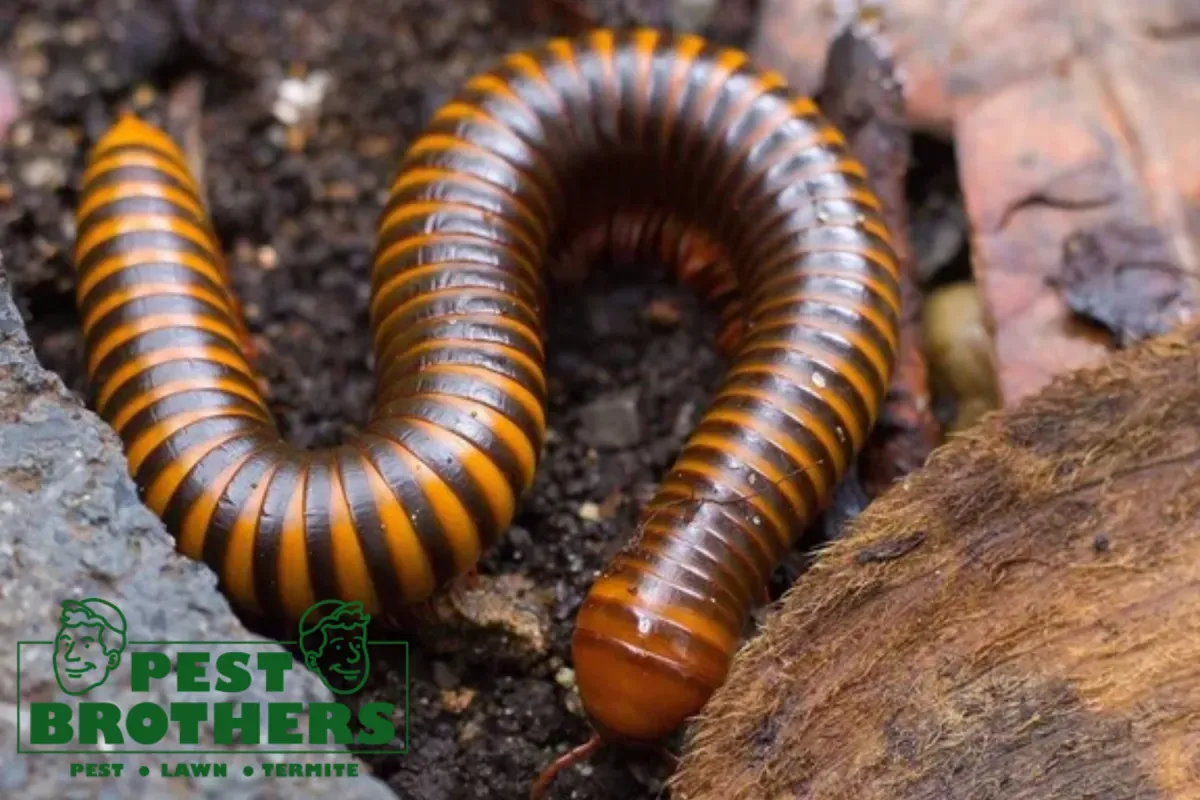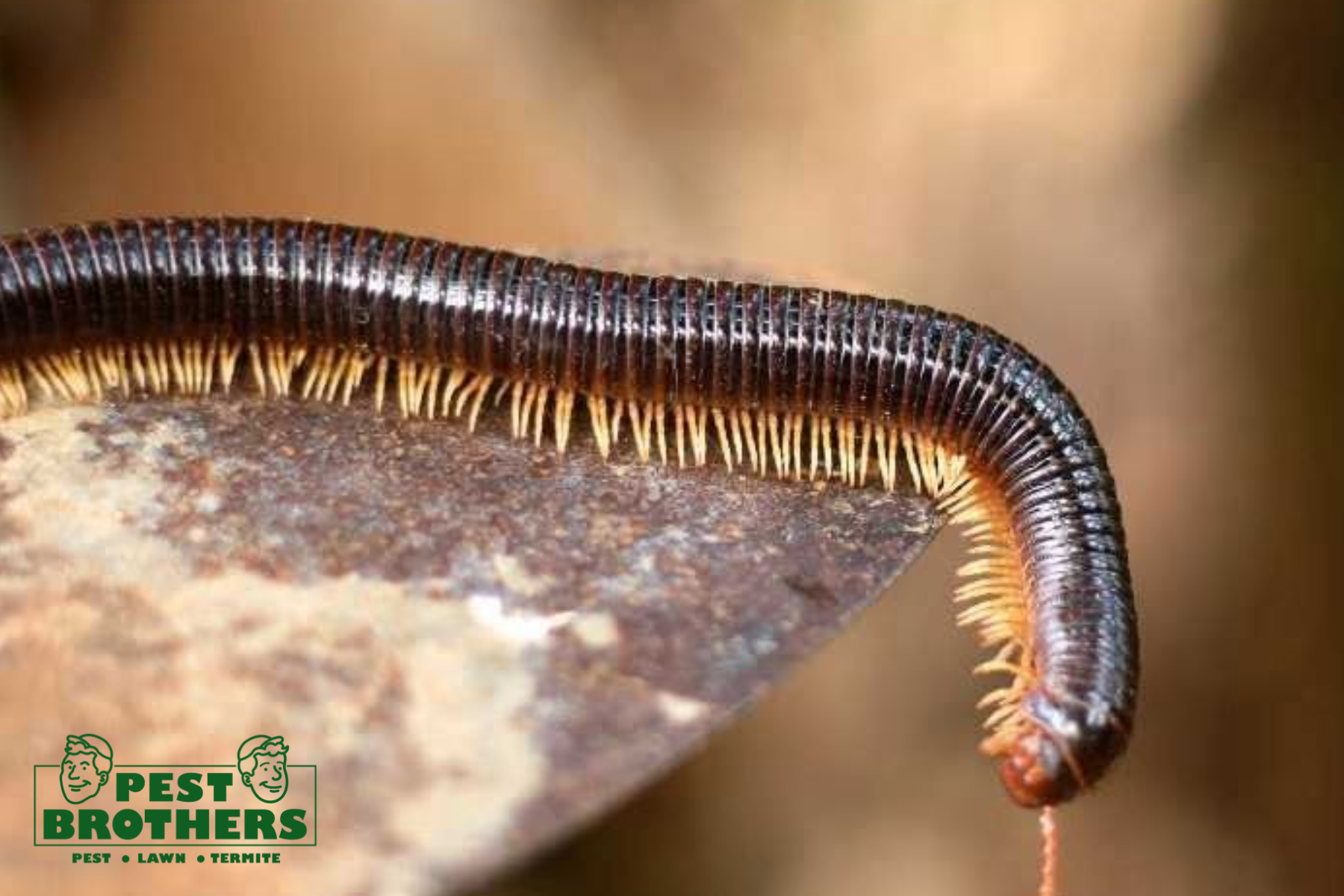
A millipede is a long, segmented arthropod with many legs (hence the name “thousand-legger”). They are moisture-dependent creatures that are commonly found in decaying organic matter outdoors. They often seek shelter indoors, especially during periods of heavy rain or extreme dryness. While they are harmless to humans and pets, they can become an unwelcome sight in your home and indicate moisture problems or other underlying issues.
5 Key Elements of a Millipede Infestation
- Appearance:
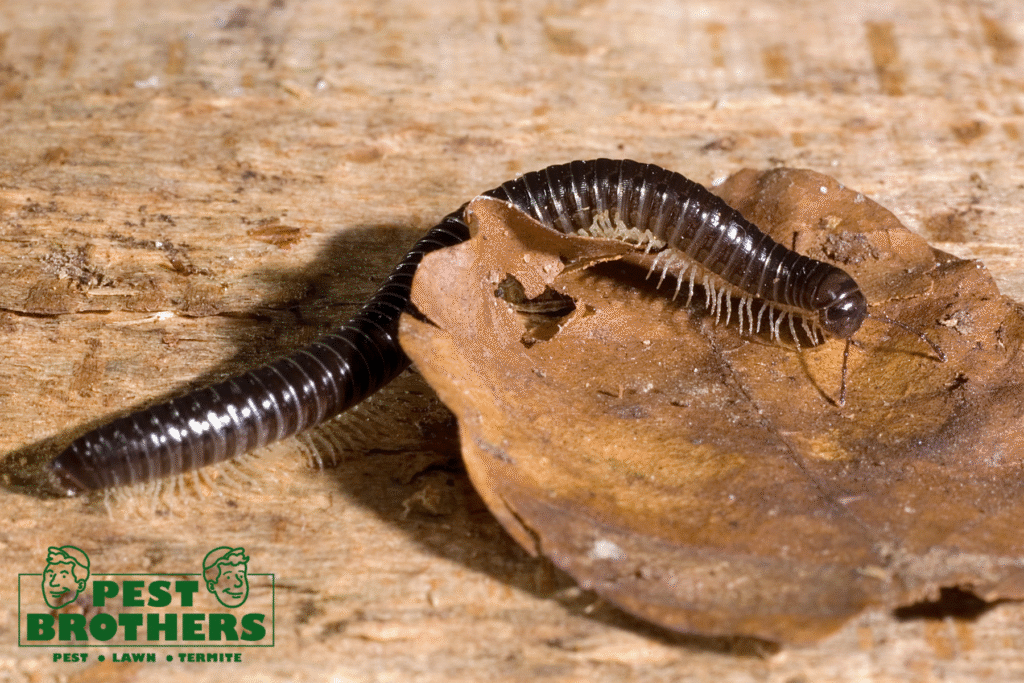
They are elongated with many body segments. They have two pairs of legs per segment and are generally dark brown or black. - Behavior:
They are nocturnal and prefer moist, dark areas. They typically move slowly and hide during the day, making them difficult to spot. - Habitat:
They are often found in damp areas like basements, crawl spaces, and bathrooms. They thrive in places with high humidity and abundant decaying organic matter. - Food Sources:
They feed on decaying plant material outdoors but may wander indoors in search of moisture or food sources such as damp leaves, mulch, and organic debris. - Reproduction:
They do not reproduce indoors, but their presence indoors can signal favorable conditions for breeding, especially in moist areas.
What Attracts Millipedes to Homes?
Before diving into prevention strategies, it’s important to understand what draws millipedes indoors. The number one attractant is moisture. They are moisture-dependent creatures that seek out damp environments to survive. If your home has high humidity, leaky pipes, clogged gutters, or basement moisture issues, it is more likely to find it inviting. For effective pest control in Doral, FL, addressing moisture problems is key to preventing these nuisances from entering your home.
They are also scavengers that feed on decaying organic material. Mulch beds, piles of leaves, grass clippings, and compost heaps near your home’s foundation are all attractive habitats. When these conditions exist outside, they may migrate indoors in search of a more stable environment. For effective millipede control, it’s important to eliminate these outdoor attractants and maintain a barrier to keep them out.
Steps to Prevent Millipedes in Your Doral Home
- Reduce Moisture Levels
They thrive in moist environments, so controlling humidity is key:- Use dehumidifiers in basements and crawl spaces.
- Fix leaky pipes and faucets promptly to prevent moisture buildup.
- Ensure proper ventilation in bathrooms and kitchens.
- Eliminate Organic Debris Around the House
They feed on decaying organic matter. Reducing these food sources can discourage them:- Remove leaf litter, mulch, and woodpiles near the foundation.
- Keep grass trimmed and avoid overwatering your lawn.
- Seal Entry Points
Even small cracks can allow them to enter your home:- Inspect around windows, doors, and utility lines for cracks.
- Use weather stripping and caulk to seal gaps.
- Maintain Proper Drainage
Poor drainage attracts them by creating a moist environment:- Clear clogged gutters and ensure downspouts direct water away from the foundation.
- Make sure the soil around your house slopes away from the foundation to prevent pooling.
- Landscaping
Making your yard less inviting to them can prevent them from getting close to your home:- Use gravel or dry mulch alternatives near the base of your home.
- Create a buffer zone of dry material (such as crushed stone) between your garden beds and your house.
When to Call a Doral FL Exterminator for Millipedes
If your efforts to prevent them aren’t enough, or if the infestation continues to worsen, it might be time to call a Doral FL exterminator. Professional services can:
- Inspect your home for hidden colonies.
- Treat both the interior and exterior of your home.
- Provide long-term prevention strategies tailored to your home’s unique needs with expert Doral pest control services, ensuring lasting protection against it and other nuisances.
About Pest Brothers, Inc. – Pest, Lawn, & Termite Control
Pest Brothers, Inc. – Pest, Lawn, & Termite Control is a licensed and insured company, proudly serving communities across Florida. From general control to termite treatment, rodent control, and lawn care, our comprehensive service options are tailored to protect your home or business year-round. Our team of licensed technicians uses IPM strategies and environmentally friendly pesticides to deliver high-quality results with a focus on your safety and comfort. Whether you’re battling millipedes in your house or need year-round protection, we are committed to keeping your space bug-free.
Contact Pest Brothers, Inc. for Professional Millipede Control in Doral, FL
If you’re dealing with millipedes or any other pests in your home, we are here to help. Our expert team uses environmentally friendly methods to effectively eliminate and prevent future infestations. Call us today for a free quote and take the first step toward a bug-free home!
Common Questions About Millipedes in the House
Are Millipedes Harmful?
They are not harmful to humans or pets. However, they can secrete a fluid when threatened that may cause skin irritation or leave a foul odor.
Why Do I Have So Many Millipedes?
An increase of it inside your home often points to excess moisture or abundant organic matter around your home. Addressing both indoor and outdoor environmental conditions can help reduce their presence.
Should I Be Concerned About a Millipede Infestation?
While they don’t reproduce indoors, seeing large numbers inside your home could indicate favorable conditions for pests. If you frequently see it in your house, it’s best to consult a licensed exterminator.
What Do Millipedes Eat?
They feed on decaying plant material, such as leaves, mulch, and dead grass. They may also be attracted to organic debris around your home.
Can I Get Rid of Millipedes Myself?
Yes, DIY prevention methods such as reducing moisture and sealing entry points can help, but for a larger infestation or persistent problems, professional pest control is recommended.