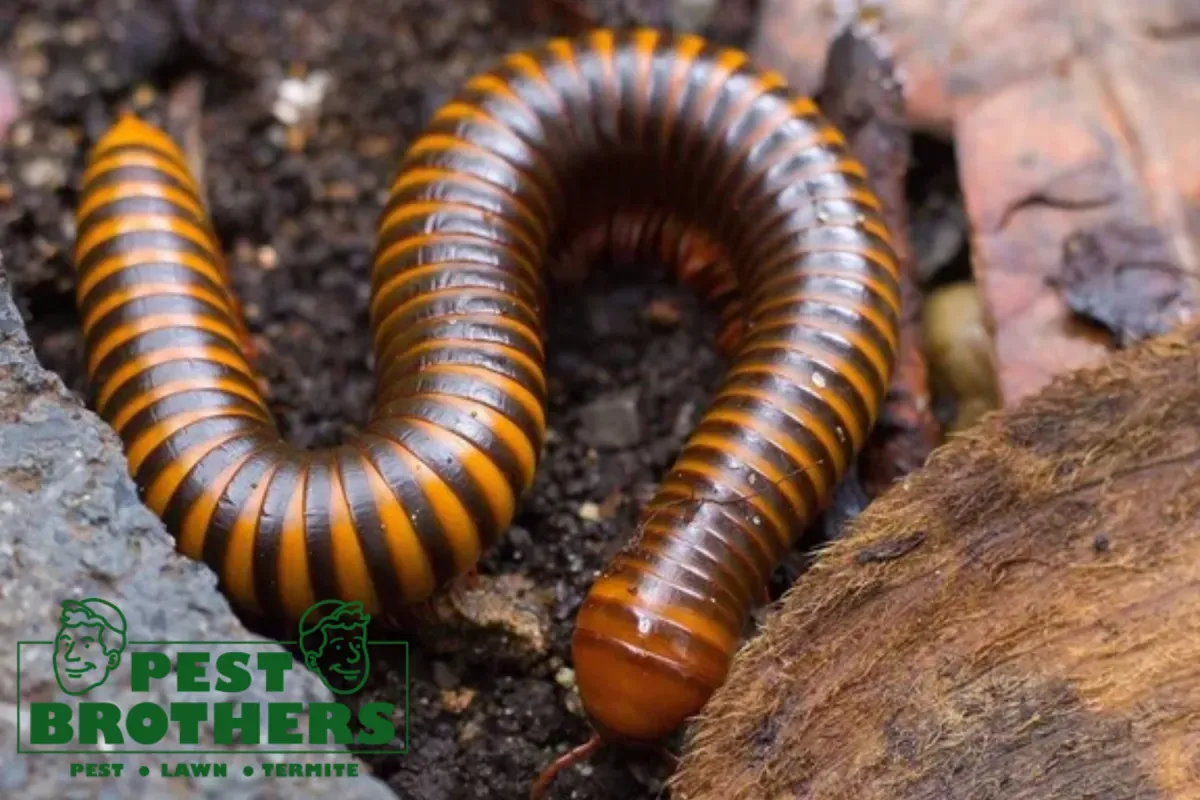
A millipede is a long, segmented insect with many legs, typically found in damp, shaded areas. These pests are detritivores, meaning they feed on decaying plant matter, fungi, and decomposing organic materials. Millipedes play an essential role in decomposing dead plant matter, enriching the soil and promoting plant growth. While they’re generally harmless, millipedes can become a nuisance when they invade your home, especially during wet or humid conditions. If you’re dealing with an infestation, contacting a local exterminator can help effectively manage and eliminate millipede problems in your home.
5 Key Facts About Millipedes
- Omnivorous Diet – Millipedes consume decaying organic matter, such as rotting leaves, fungi, and dead insects.
- Moisture Seekers – They thrive in moist environments like gardens, basements, and bathrooms, especially during Florida’s rainy season.
- Non-Harmful to Humans – Millipedes do not bite or sting, and they pose no serious health risks, although their presence can be unsettling.
- Beneficial Decomposers – They help break down dead plant material, returning vital nutrients to the soil.
- Occasionally Damage Plants – While millipedes prefer decaying material, they may occasionally nibble on young plants or roots when food is scarce.
What Do Millipedes Eat?
Millipedes are detritivores, feeding on a variety of decomposing materials in your garden. Their primary food sources include:
- Decomposing plant material: They feed on dead leaves, decaying wood, and mulch, helping to break them down and enrich the soil.
- Fungi and algae: Millipedes also consume fungi, molds, and algae that grow on decaying organic matter.
- Dead insects and other decomposing animal matter: While not their preferred food, they will feed on dead insects when available.
Millipedes help maintain a balanced ecosystem by decomposing organic matter and returning nutrients to the soil, thereby promoting plant growth.
Why Millipedes Are Not a Major Threat to Your Garden
Millipedes generally do not pose a significant threat to healthy plants. They primarily consume decaying plant matter and fungi. However, if they overpopulate, they may feed on young seedlings, roots, or soft fruits, causing minor damage.
High humidity and frequent rainfall create ideal conditions for millipedes, homeowners may notice them in their gardens, especially during wet seasons. This indicates healthy soil rich in organic matter. If you’re facing an infestation, searching for an exterminator in Homestead, FL, can help you find local experts to manage the issue effectively.
5 Steps to Prevent Millipedes from Entering Your Home
If you’re seeing millipedes indoors, particularly in moist areas like basements or bathrooms, it’s important to take action to prevent further infestations. Here are 5 effective steps to prevent millipedes from entering your home:
- Reduce Moisture Indoors – Millipedes are attracted to damp environments. Use dehumidifiers and ensure basements and bathrooms are well ventilated.
- Seal Cracks and Gaps – Check the foundation, doors, windows, and vents for cracks and gaps. Seal these gaps to prevent millipedes from entering your home.
- Remove Organic Debris – Rake up leaves, remove mulch that touches your foundation, and clean up dead plant matter that may attract millipedes.
- Fix Drainage Issues – Ensure that your yard is properly graded, and gutters are cleared to prevent water accumulation near your home’s foundation.
- Create a Barrier – Apply Homestead pest control treatments around the foundation to prevent millipedes from entering.
What to Do If You Have a Millipede Infestation
If you’re experiencing a millipede infestation in your home, it’s essential to take action quickly to prevent them from multiplying. Millipedes typically enter during wet seasons or when outdoor conditions are unfavorable. If your home has become infested with millipedes, it may be time to contact a professional pest control in Homestead, FL service.
For residents in Homestead, FL, contacting a pest control expert is the most effective solution. Local professionals can assess the situation and offer tailored treatments that address the root cause of the infestation, whether it’s excessive moisture or poor drainage around your home.
Integrated Pest Management for Millipedes
At Pest Brothers, Inc., we use Integrated Pest Management (IPM) for millipede control, a more sustainable, eco-friendly approach. IPM focuses on:
- Inspection: We assess both the interior and exterior of your home to identify potential entry points for millipedes.
- Prevention: Our technicians provide tailored recommendations to help you reduce moisture levels, clear organic debris, and seal potential entryways.
- Treatment: We apply environmentally friendly pesticides that target millipedes without harming beneficial insects in your garden.
IPM is an effective, sustainable approach to millipede control while protecting your garden and home.
Need Millipede Control in Homestead, FL?
If millipedes are invading your home or garden, contact us today for expert pest control services. We provide tailored millipede control and prevention solutions to keep your home safe and pest-free.

People Also Ask
Q: What do millipedes eat?
A: Millipedes feed on decaying plant material, fungi, and dead insects. They help break down organic matter and enrich the soil.
Q: Are millipedes harmful to my garden?
A: Millipedes primarily feed on decaying matter and do not harm healthy plants. However, in large numbers, they may nibble on soft plants or seedlings.
Q: Why are millipedes in my home?
A: Millipedes seek moisture and shelter. During wet conditions, they may migrate indoors, especially into damp areas like basements and bathrooms.
Q: How do I get rid of millipedes?
A: Reduce moisture, remove organic debris, seal entry points, and apply pest control treatments around your home. If the infestation is severe, contact a pest control professional.