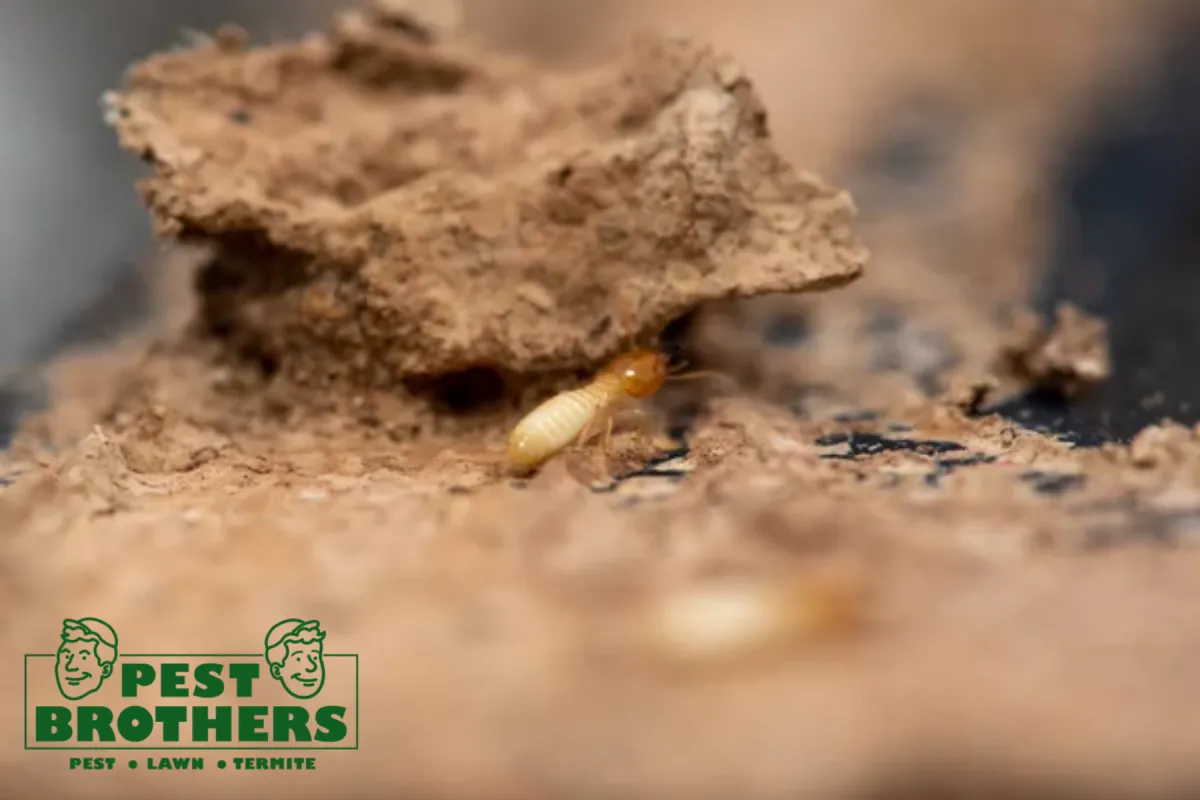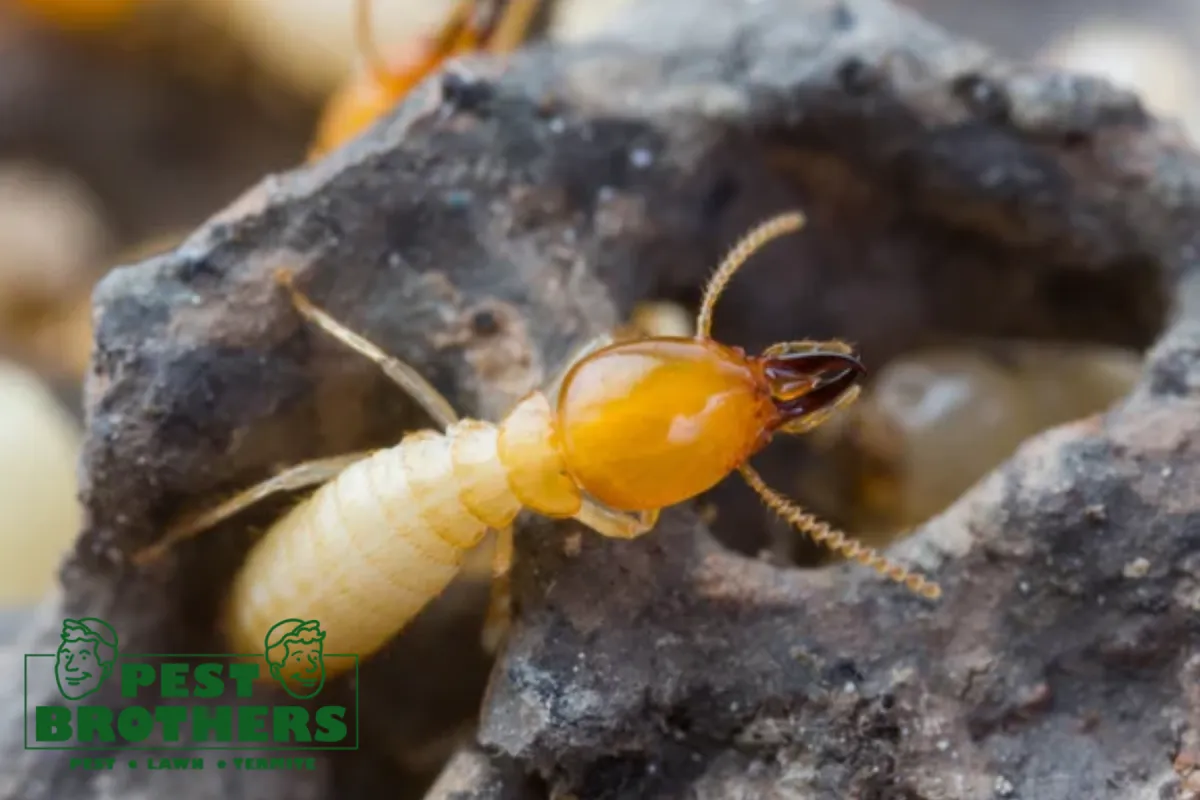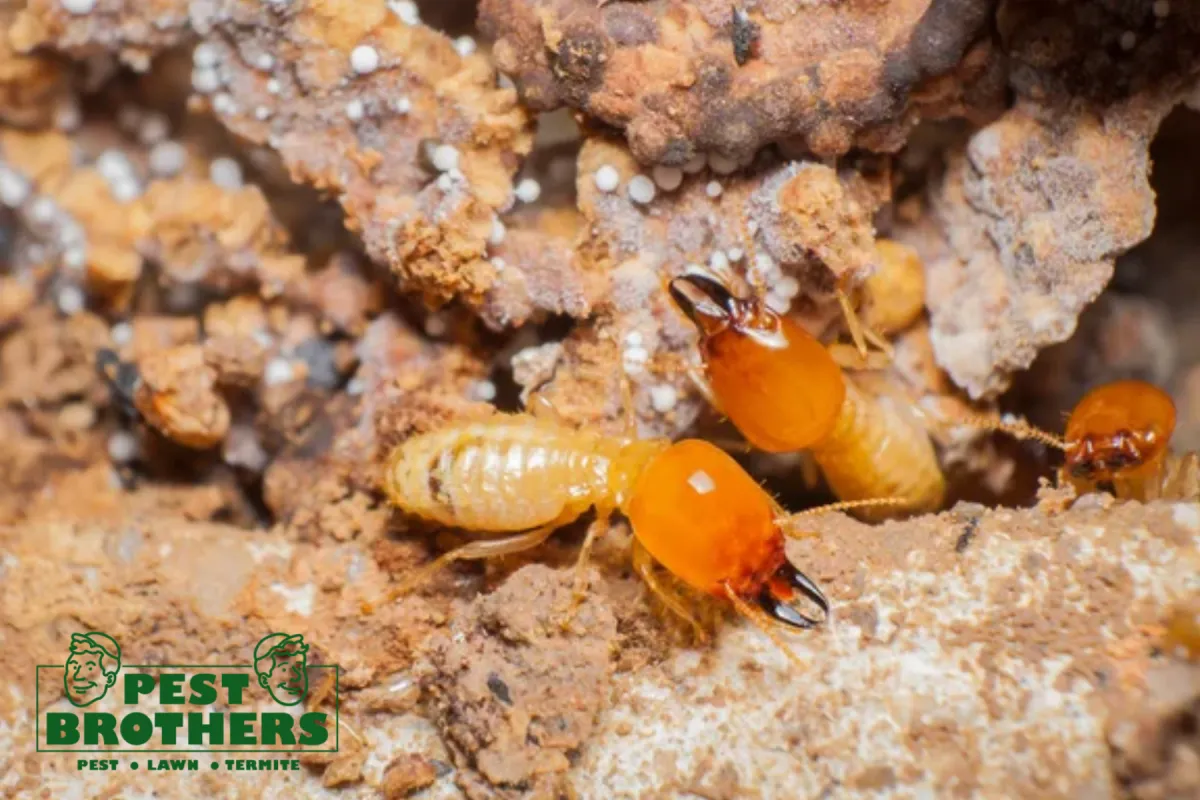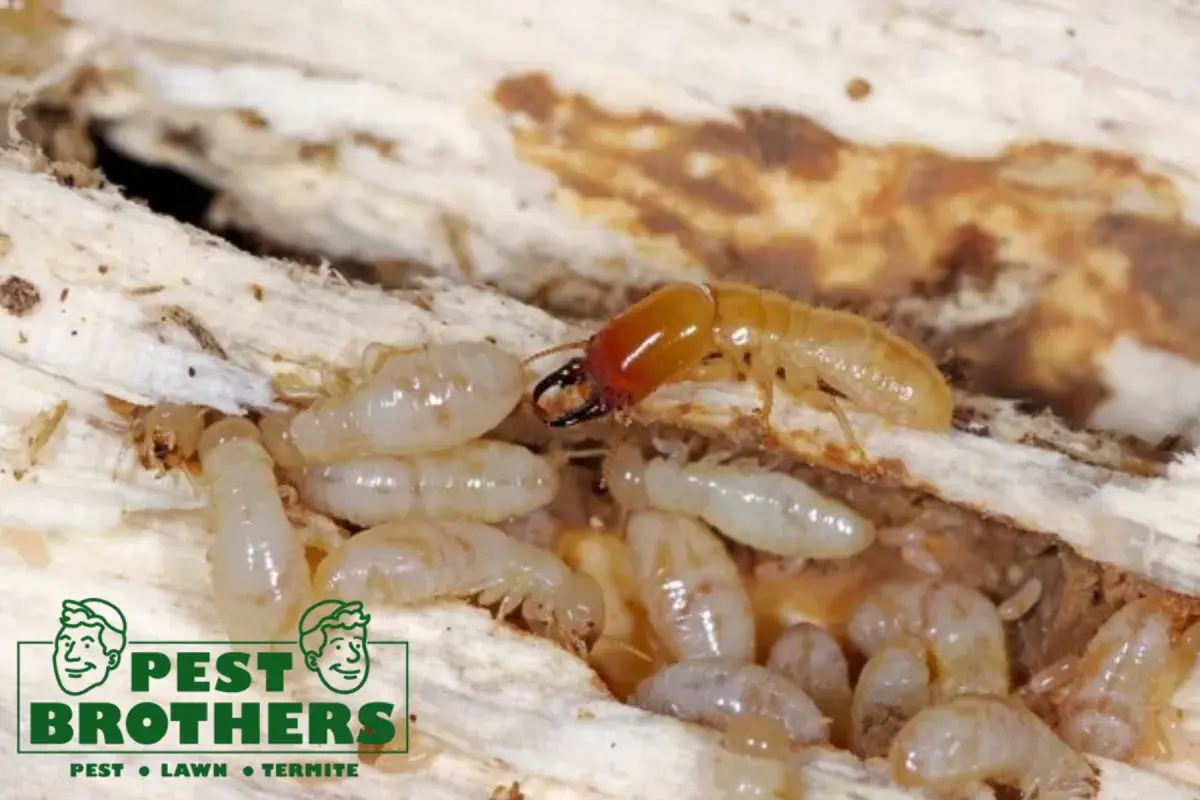
The earliest warning signs of drywood termites include piles of fecal pellets (frass) beneath wood fixtures, discarded wings near window sills after a swarm, and faint clicking sounds inside walls. Spotting these subtle indicators early allows you to intercept the colony before they hollow out structural timbers. Taking immediate action when these signs appear protects your property investment and prevents costly structural replacement projects down the road.
Quick Reference: Early Warning Signs vs. Advanced Structural Damage
Catching an infestation early requires knowing the difference between subtle signs of activity and severe structural failure. It is common to miss the initial signs because these wood-destroying insects live deep inside timber boards, but understanding their habits helps you spot trouble early. This comparison table outlines what to look for during the initial colonization phase versus the symptoms of an advanced infestation.
| Feature / Indicator | Early Warning Signs (First 1–12 Months) | Advanced Structural Damage (12+ Months) | Immediate Action Items |
| Fecal Waste (Frass) | Tiny, sand-like pellets bunched in small piles directly below wood joints. | Massive accumulations of pellets are pouring out of numerous structural surfaces. | Use a flashlight to check floorboards directly beneath wooden window frames. |
| Shed Wing Presence | A few uniform, translucent wings dropped near indoor light sources or sills. | Hundreds of wings are scattered across the floors, accompanied by visible swarmers. | Check for cobwebs in corners and in the attic insulation for trapped insect wings. |
| Acoustic Activity | Faint, rhythmic clicking sounds inside wood, audible only during quiet nights. | Hollow, papery sounds when tapping structural studs or baseboards. | Tap wooden surfaces with a screwdriver handle and listen closely for rustling. |
| Wood Surface Integrity | Perfectly normal exterior appearance with tiny, pinhead-sized “kick-out” holes. | Buckling drywall, sagging ceiling beams, and easily punctured wood veneers. | Probe the wood with a sharp tool to check structural density, noting any tiny holes. |
Technical Specifications of Drywood Termite Indicators
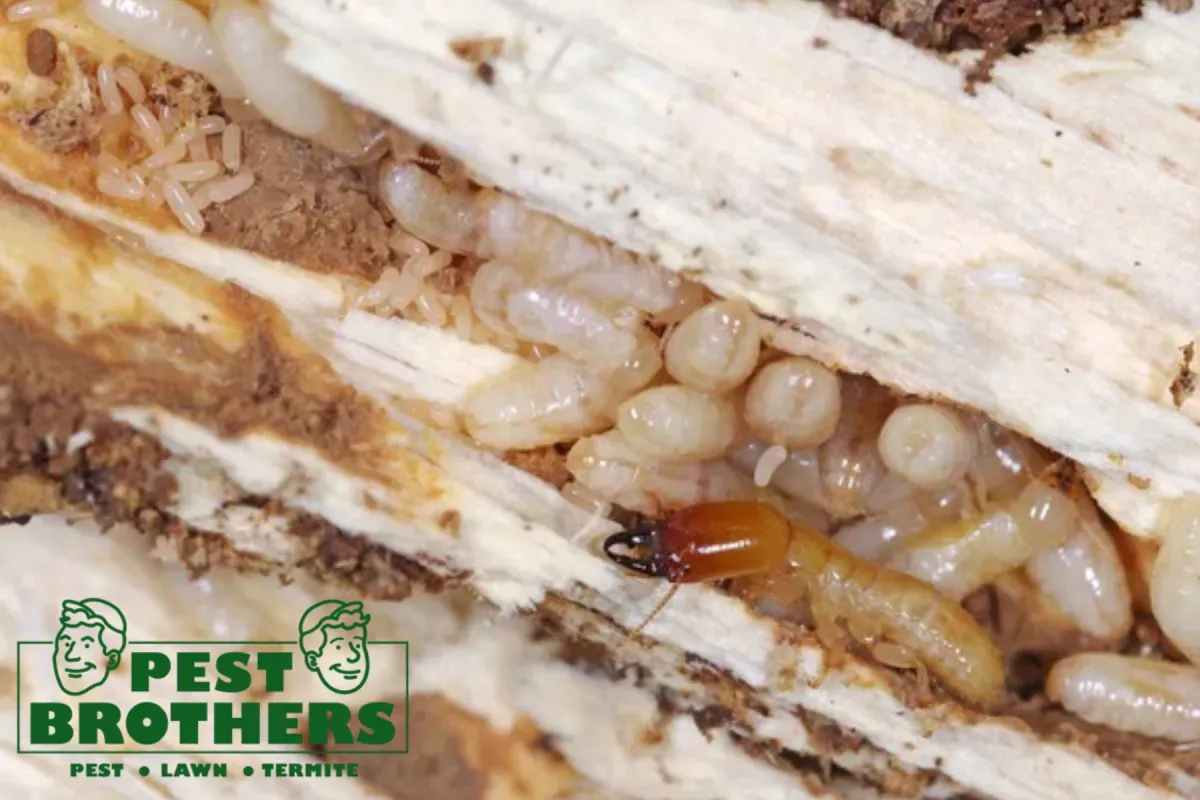
Drywood termites live entirely inside sound, dry wood without needing contact with soil. Because they do not require high-ground moisture to survive, they can easily colonize high rooflines, attic rafters, and second-story window trim. Licensed technicians track these specific biological markers to confirm an active colony:
Frass Pellet Geometry
Hard, elongated ovals measuring roughly 1 mm in length, featuring six distinct concave sides. Their uniform shape distinguishes them from random sawdust or carpet beetle waste.
Kick-Out Hole Diameter
Tiny, circular exit holes measuring between 1 mm and 2 mm. Termites drill these openings solely to push waste pellets out of their galleries, often sealing them with a paste made of frass after use.
Swarming Temperature Threshold
Ambient outdoor temperatures rising above 80°F frequently occur on warm, sunny days following sudden weather transitions, which prompts reproductive swarmers to fly out and find new wood.
Gallery Moisture Range
The internal wood moisture content, where drywood termites thrive, typically ranges between 10% and 12%. They generate necessary hydration internally from the wood cells they digest.
Debunking the Myth: “If You Don’t See Mud Tubes, Your Property Is Termite-Free”
A common and highly destructive industry misconception among property owners is that a building is completely safe from termites if there are no vertical mud tubes running up the foundation walls. It is incredibly easy to look at a clean concrete foundation, see no dirt trails, and assume that your wooden support beams are perfectly safe.
The Reality: Drywood termites live entirely inside wood and never build mud tubes.
Mud tubes are built exclusively by subterranean termites, which must travel back and forth to the underground soil to stay hydrated. In contrast, drywood termites enter buildings directly from the air during swarming flights, landing on rooflines, fascia boards, or window frames. They chew straight into the wood and seal themselves inside, spending their entire lives within the structure.
Waiting to see mud tubes before taking action means a colony can eat through your ceiling joists completely unnoticed for years. During a recent structural property audit for a commercial facility in Hialeah, we found extensive gallery networks hidden behind beautifully preserved oak trim, with no ground signs or mud pathways. This underscores the need for proactive Hialeah pest control that uses modern Integrated Pest Management to look beyond surface-level signs.
Applying our “Non-Invasive Pest Inspection” to Solve This
To detect hidden wood-boring pests before they cause irreversible structural damage, our team implements a specialized diagnostic framework: the Non-Invasive Pest Inspection. This system detects the microscopic movements of insects deep within solid timber without damaging your walls.
Our customized diagnostic approach relies directly on our high service standards. At Pest Brothers, Inc. – Pest, Lawn, & Termite Control, we deploy licensed technicians who leverage advanced detection tools to protect your property. We believe in providing honest evaluations and treatment plans that resolve infestations accurately the first time.
If a localized problem is found early, our spot treatments involve injecting termiticide directly into active galleries, using specialized foam or borate solutions to destroy the colony core. As a trusted provider of pest control in Hialeah, FL, we avoid outdated, aggressive applications and rely on safe, environmentally friendly pesticides to manage structural risks cleanly. For properties facing widespread, multi-layered infestations, we plan and execute precise fumigation services or apply treatment methods to form preventative termiticide barriers to safeguard your property line.
We execute the inspection framework using a strict three-step chronological sequence to ensure total structural security:
1. Micro-Vibrational Sound Tracking: Phase 1: Multi-Point Acoustic Mapping.
Our licensed technicians place sensitive bio-resonance microphones against structural wood studs. We listen for the specific high-frequency clicking sounds made by soldier termites banging their heads against gallery walls to warn the colony.
2. Fiberoptic Gallery Scoping: Phase 2: Internal Void Verification.
Once a sound center is mapped, we insert tiny fiberoptic cameras through existing kick-out holes. This allows us to inspect the internal damage and verify the colony size without cutting away drywall.
3. Localized Precision Treatment: Phase 3: Targeted Structural Protection.
We use our internal map to apply treatment solutions directly into the active wood galleries. This destroys the colony’s reproductive core while leaving the surrounding structure intact.
People Also Ask
How can I tell the difference between drywood termite frass and regular sawdust?
Drywood termite frass consists of hard, seed-like pellets with six distinct flat sides. If you look closely or use a magnifying glass, you will see they are uniform in size and shape. Regular sawdust consists of irregular, jagged wood shavings and dust particles that vary greatly in size and color based on how the wood was cut.
Do drywood termites swarm every year?
Yes, mature colonies produce winged reproductive swarmers that take flight annually, typically during warm days following seasonal weather changes. These brief flights represent the colony’s primary method of spreading to nearby structures and starting new nests. Catching these swarmers early is an excellent reason to maintain a relationship with a trusted pest control provider.
Can drywood termites spread from a neighbor’s house to mine?
Yes, easily. During an annual swarm flight, winged termites can slide on wind currents for several hundred yards. If a neighboring property has an untreated infestation, swarmers can easily fly over and land on your roofline, patio deck, or window trim, starting a new colony.
Is tent fumigation the only way to get rid of drywood termites?
No, tent fumigation is highly effective for severe, widespread infestations, but it is not the only option. If an infestation is caught early through professional tracking, licensed technicians can apply treatment options, such as specialized foam or liquid borate solutions, to eliminate localized colonies without requiring you to vacate your home.
How quickly do drywood termites cause severe structural damage?
Drywood termites work more slowly than subterranean species, typically taking three to five years to cause severe structural failure. However, because they are so difficult to see and live entirely within the wood, their galleries can expand significantly before any external signs become visible.
What should I do if I find discarded wings near my windows?
If you discover small piles of translucent, uniform wings on your windowsills, it means a swarm has recently occurred nearby. You should collect a few wings in a sealed plastic bag for professional identification and contact a specialist to apply treatment safeguards immediately before they burrow into your woodwork.
Protect Your Structure Safely and Reliably with the Experts
Discovering unexpected wood damage or signs of swarming insects can compromise your comfort and leave you feeling anxious about your property’s future. At Pest Brothers, Inc. – Pest, Lawn, & Termite Control, we focus on delivering true peace of mind by providing efficient, reliable, and customer-centered solutions that ensure the long-term safety of your home. As a family-owned business, we prioritize clear communication, absolute transparency, and personalized attention, treating every client with individual care.
We want you to feel completely secure and reassured, knowing that your structure is protected by licensed technicians who value consistency, honesty, and safety. Whether you need an immediate spot treatment to save a historic window frame or want to establish a continuous protective barrier around your property using Integrated Pest Management, our team is here to help. For the highest standard of structural termite defense and reliable pest control in Hialeah, let our family take care of yours.
Contact us today to request your 100% free estimate or to speak with our specialists about a customized property evaluation. Let our licensed technicians secure your structure so you can live comfortably and stress-free.