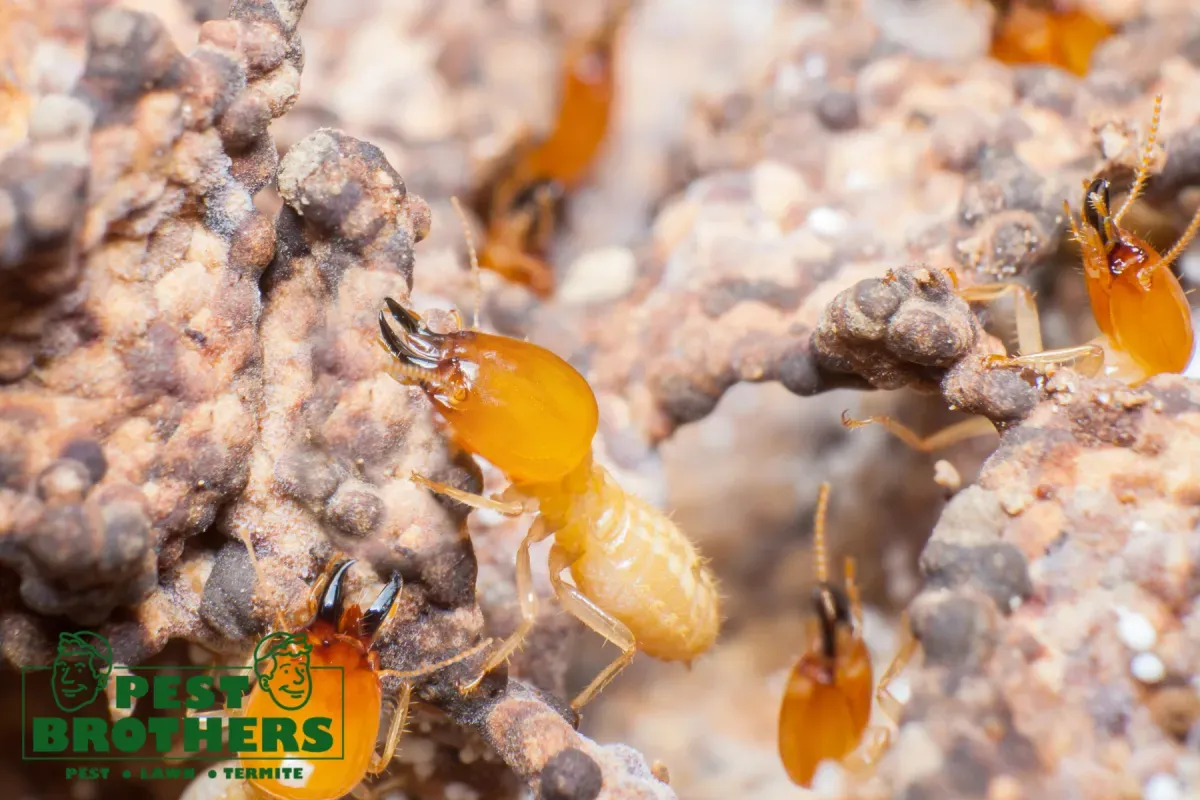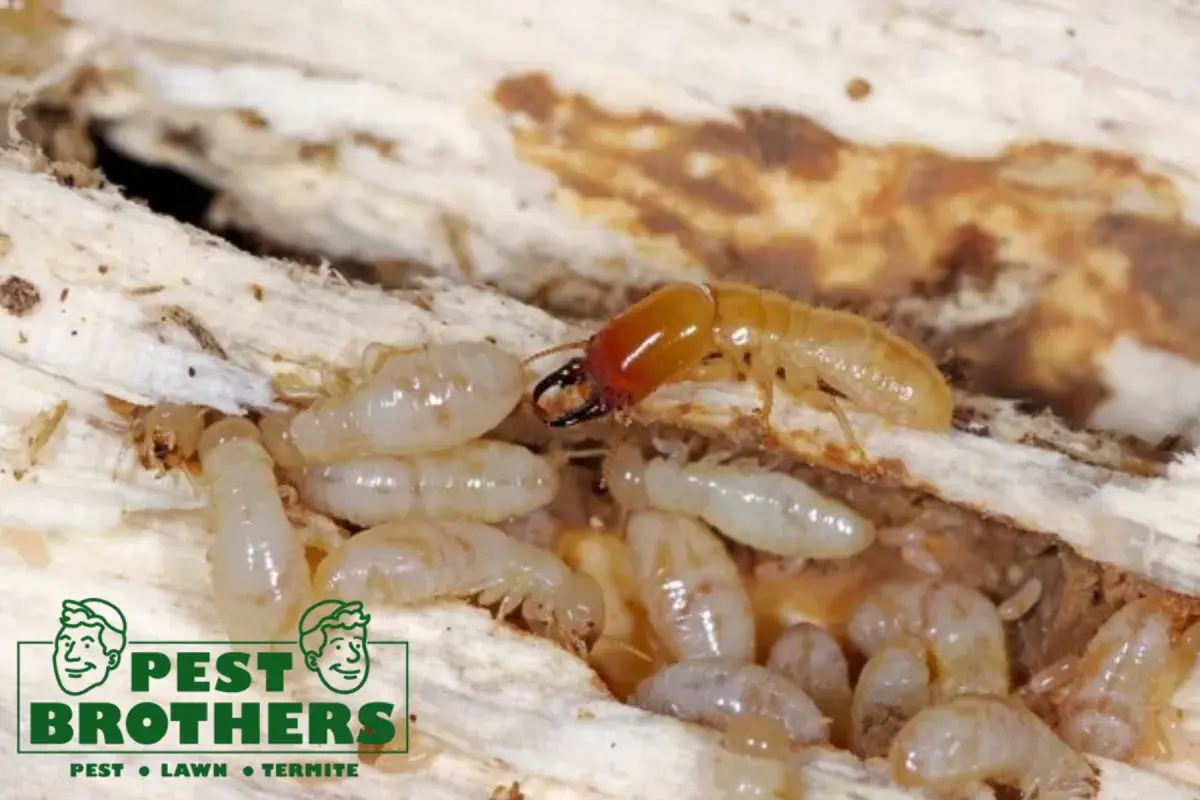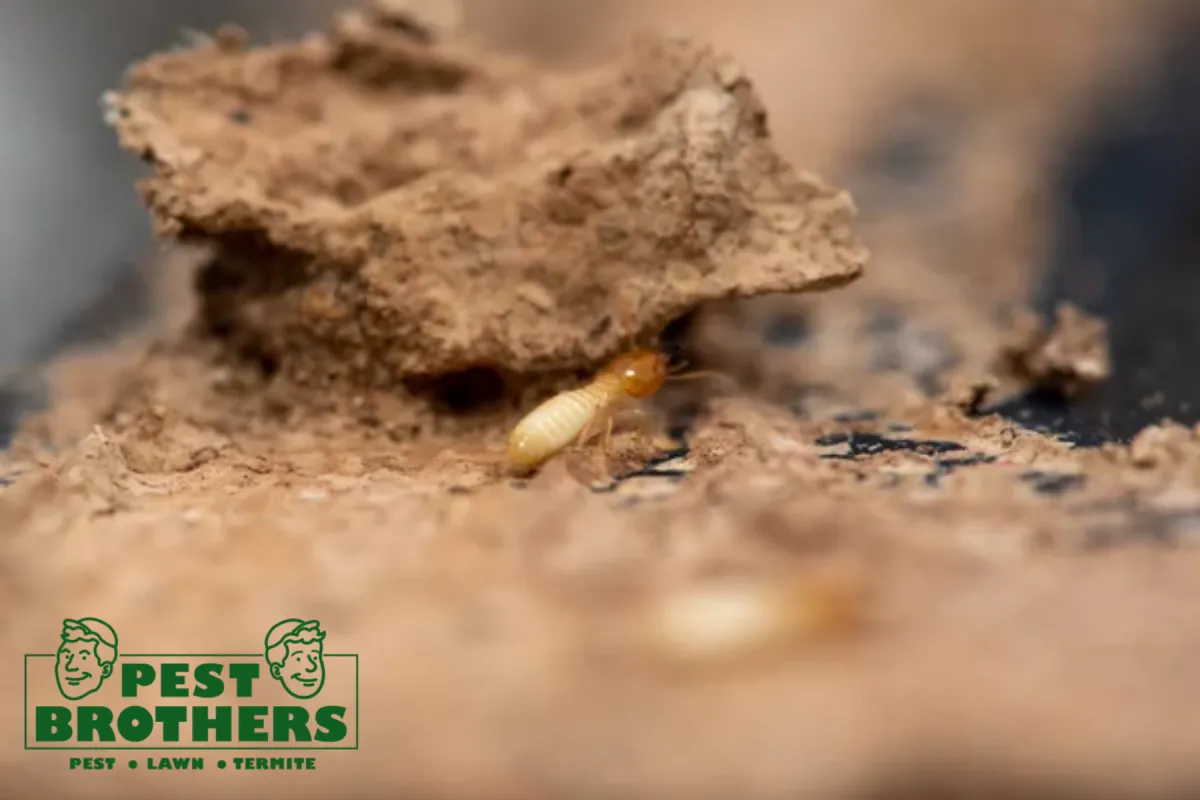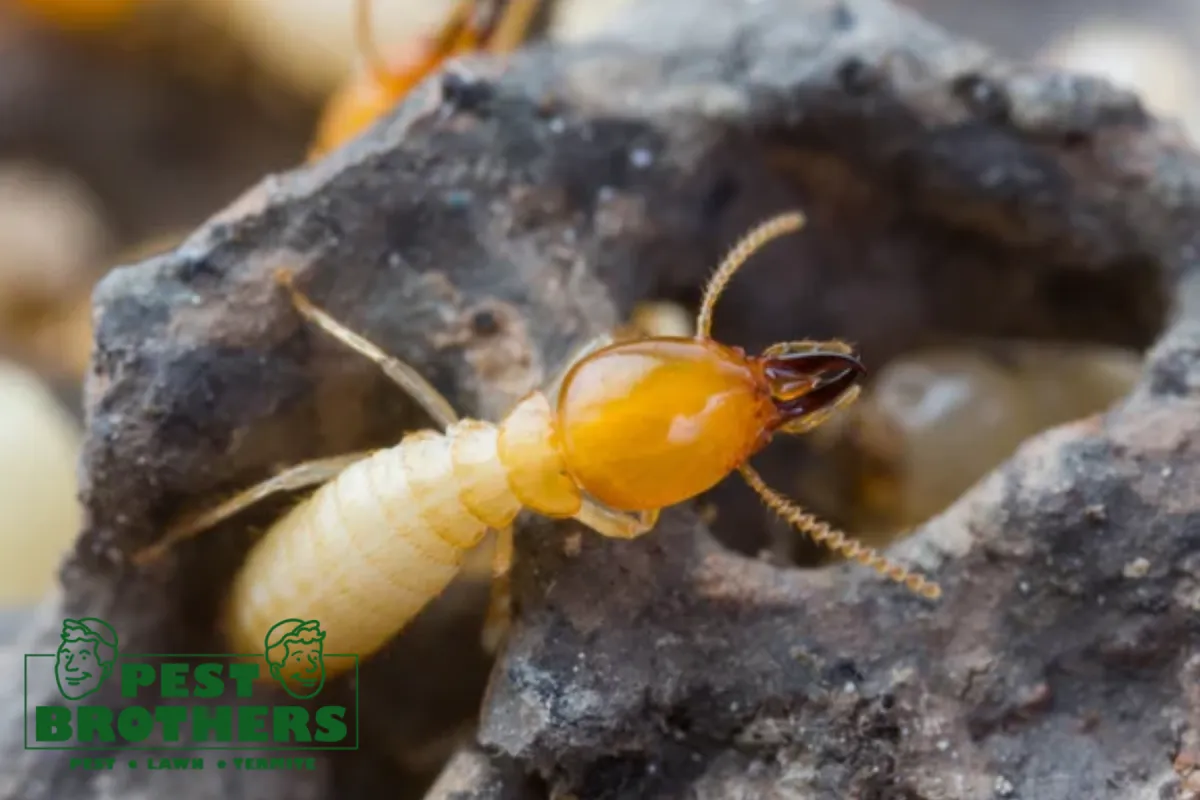
During a professional termite control inspection, you should expect a licensed inspector to spend one to two hours thoroughly examining both the interior and exterior of your property for active wood-destroying organisms and structural damage. The technician will meticulously check high-risk areas such as basements, crawlspaces, attics, and your foundation line for mud tubes, wood damage, or discarded swarm wings. Afterward, you will receive a detailed visual report outlining any infestations found, structural vulnerabilities, and a tailored remediation plan.
The Pre-Inspection and Groundwork Phase
Before an inspector begins shining flashlights into the dark corners of your home, a critical preparation phase occurs. A comprehensive termite control assessment cannot happen without proper setup. When our family-owned team arrives at a property, we start by mapping out a personalized game plan to ensure we evaluate every potential vulnerability.
Step-by-Step Pre-Inspection Protocol
- The Client Interview and Property Briefing: The process begins with an open conversation. The technician will ask whether you have noticed any signs of wood-destroying insects, such as buckling baseboards, bubbling paint, or mysterious piles that look like sawdust. If you have recently seen flying insects indoors during a warm spring evening, this is the time to mention it.
- Access Point Preparation: The inspector will identify all necessary entry points to the hidden parts of your structure. This includes locating attic hatches, crawlspace doors, and utility access panels. Ensuring these pathways are clear of boxes or household items allows the technician to work efficiently and safely.
- Advanced Tool Calibration: Professional pest management relies on specialized diagnostic tools. Before stepping inside, the technician ensures that moisture meters, specialized sounding rods, and sensor equipment are properly calibrated to deliver accurate readings.
Interior vs. Exterior Inspection Points
Termites thrive in dark, unexposed environments. To catch them, an inspector must divide their focus equally between the climate-controlled rooms inside your home and the raw environmental elements outside.
During a recent inspection for a homeowner in our South Florida service area, our team identified a subterranean colony that had entered through a microscopic crack behind an indoor baseboard, proving that both zones require equal scrutiny.
Inspection Area Comparison
| Inspection Zone | Primary Focus Areas | Key Warning Signs Targeted | Common Tools Used |
| Interior Inspection | Basements, crawlspaces, attics, baseboards, window sills, door frames, and plumbing penetrations. | Mud tubes climbing up drywall, blistering paint, hollow-sounding wood, sagging floors, and piles of discarded swarmer wings. | High-intensity LED flashlights, electronic moisture meters, and specialized wooden sounding rods. |
| Exterior Inspection | Foundation walls, mudsills, wooden decks, patio roofs, firewood storage piles, mulch beds, and direct soil-to-wood contact points. | Termite shelter tubes are built on concrete slabs, hollowed-out tree stumps, active foraging galleries in landscaping, and wood rot. | Heavy-duty probing picks, digital moisture probes, and thermal imaging systems. |
Applying Our Specialized Knowledge and Advanced Methods to Solve This
At Pest Brothers, Inc. – Pest, Lawn, & Termite Control, we do not believe in superficial, surface-level checks. We solve complex property threats by applying our proprietary, comprehensive approach that blends deep industry experience with advanced treatments.
When you book an inspection for pest control in Miami Gardens, FL, with us, our licensed technicians use a series of advanced methods designed to eliminate human error and detect hidden colonies before they cause severe damage.
Comprehensive Approach Specifications
- Advanced Moisture Mapping: Subterranean termites require high humidity levels to survive when they leave the soil. Our technicians use digital moisture meters behind your drywall to identify hidden plumbing leaks, roof drips, and poor ventilation zones that create a perfect, welcoming habitat for pests.
- Acoustic Termite Sounding: By using specialized sounding techniques on exposed wooden beams and structural supports, our experts can instantly recognize the distinct, hollow echo produced by wood that has been eaten away from the inside out.
- Integrated Pest Management (IPM) Inspections: We view your property as a single ecosystem. This means we do not just look for active bugs; we analyze soil grades, vegetation clearance, and drainage issues to tell you exactly how to modify your environment so termites never want to return.
Whether we are servicing a retail storefront or performing dependable pest control in Miami Gardens, these advanced methods ensure that we catch what standard visual inspections overlook.
Debunking the “No Visible Mud Tubes Means No Termites” Myth
A common and highly dangerous industry misconception among property owners is that if your foundation walls are completely free of mud tubes, your building is perfectly safe from an infestation. Many people believe that termites always leave an obvious trail on the outside of a house when they move in.
The Reality: This is a dangerous myth. While subterranean termites frequently build exterior mud tubes as protected, moisture-rich highways, they are highly resourceful. They can easily bypass the exterior of your home entirely by entering through microscopic settling cracks inside concrete block cores, hollow expansion joints, or directly through under-slab plumbing penetrations. Furthermore, drywood do not build mud tubes at all; they enter properties directly through the air during swarming seasons, settling straight into roof rafters or window casings. Relying solely on the absence of visible mud tubes frequently leads to long-term structural issues.
People Also Ask (FAQ)
How long does a professional termite control inspection take?
For an average-sized residential home between 1,500 and 2,500 square feet, a thorough termite control inspection typically takes 1 to 2 hours. This timeframe may extend if your property has a low-clearance crawlspace, extensive landscaping, or multiple detached outbuildings, such as sheds and garages.
Do I need to move all my furniture before the inspector arrives?
You do not need to empty out your entire home, but you can help your technician by clearing a two-foot gap between your furniture and the exterior walls. It is also highly beneficial to clear out items from underneath kitchen and bathroom sinks and to ensure that attic access hatches and crawlspace doors are completely unobstructed.
How often should I get my home inspected for termites?
Because termites can cause significant structural damage silently over a short period, we highly recommend scheduling a professional inspection at least once a year. If you live in an area known for heavy pressure, annual checks are the single best way to protect your real estate investment.
What happens if the inspector actually finds termites?
If an infestation is discovered, the technician will walk you through the exact areas of activity and provide a transparent, written treatment plan. This plan will outline the best treatment options for your specific situation, such as localized liquid treatments, baiting systems, or whole-home structural solutions to eliminate the colony safely and permanently.
Rest Easy with Trustworthy Protection
Discovering or worrying about termites can feel stressful, but you do not have to handle it alone. At Pest Brothers, Inc. – Pest, Lawn, & Termite Control, we treat your property with the exact same level of care, precision, and respect that we would show our own homes. As a family-owned business, our main goal is to replace your worry with absolute confidence and long-term peace of mind.
Our friendly, expert technicians are fully licensed, highly trained, and deeply committed to delivering reliable, safe, and environmentally friendly solutions tailored to your unique needs. We believe in complete transparency and integrity, which means no hidden fees, no pushy sales tactics, and no cutting corners. Whether you need ongoing preventative maintenance or trusted Miami Gardens pest control to solve an active issue, we are always here to help.
Contact us today to request your detailed consultation and quote. Let our family protect yours!