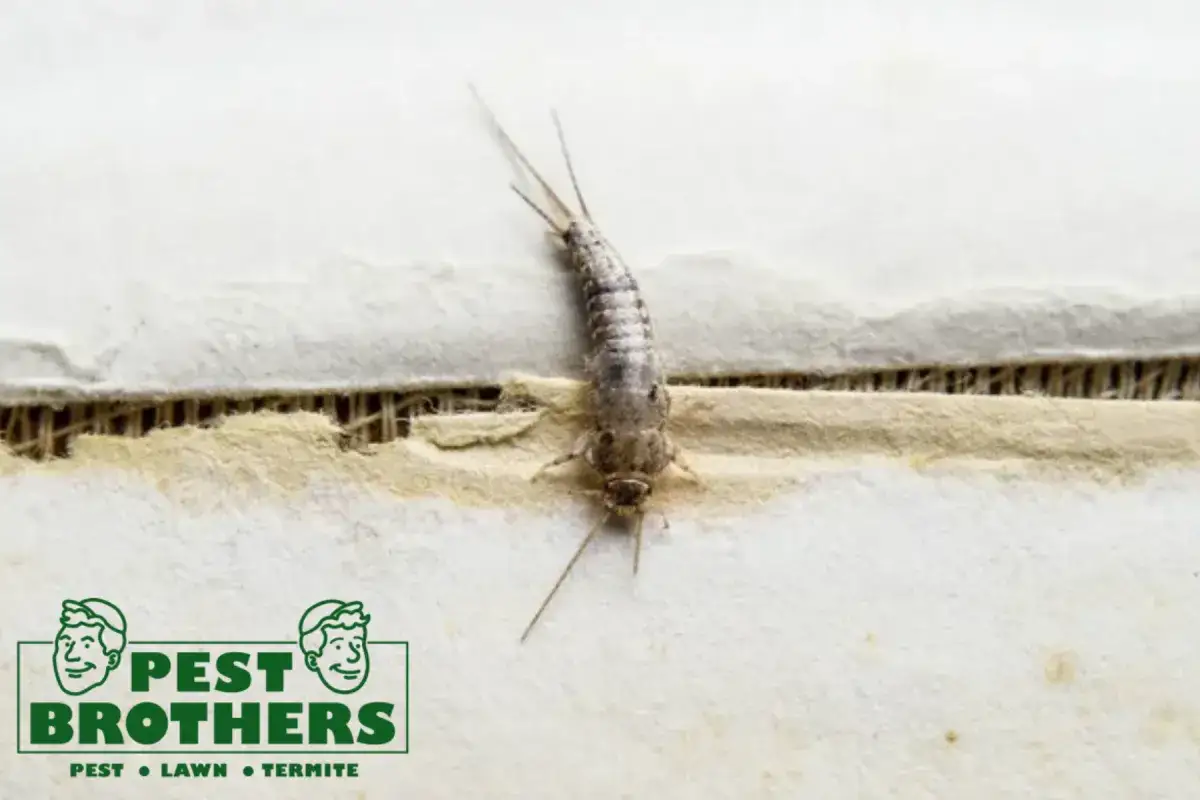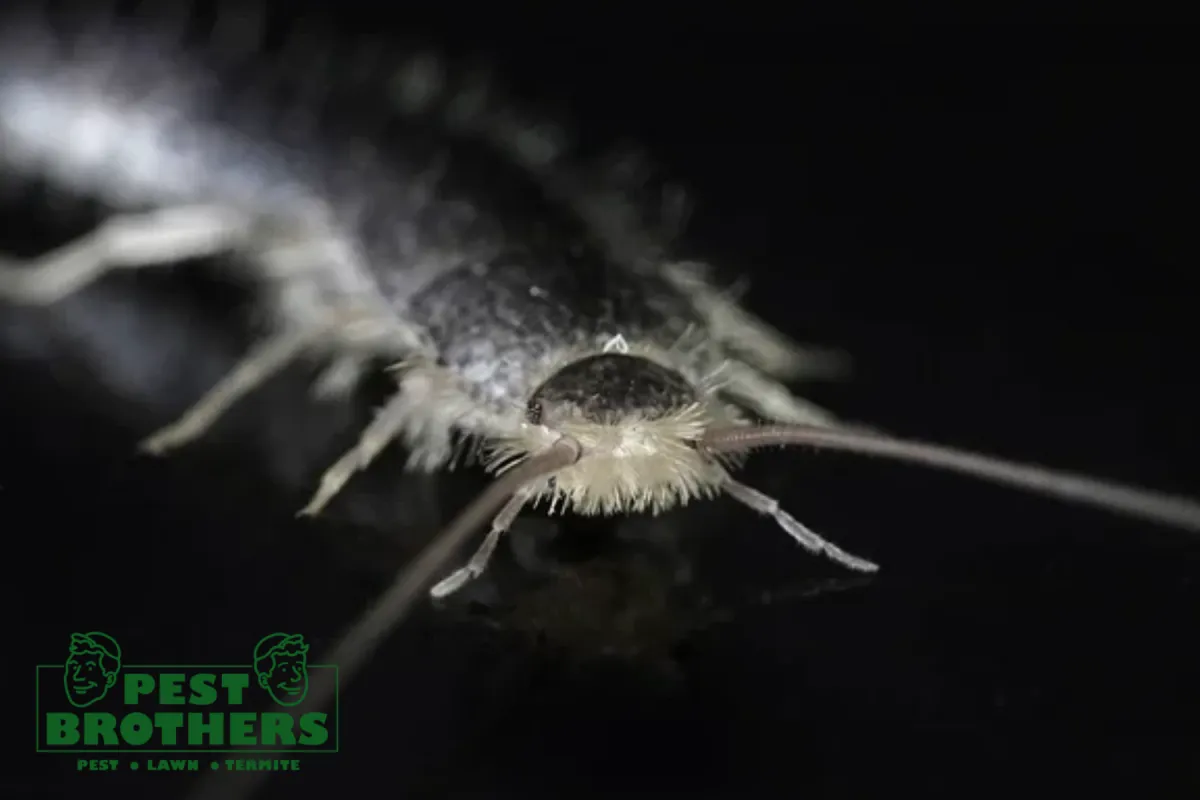
To identify silverfish damage, look for surface etching where the top layer of paper, fabric, or book binding has been shaved or scraped off. Unlike moths or beetles that chew distinct, circular holes entirely through a material, silverfish leave behind thinning patches, irregular jagged edges, yellow fungal stains, and tiny black fecal specks. Recognizing these “grazed” surfaces early is the best way to protect your heirlooms from further destruction.
Surface Etching vs. Deep Holes: Comparing Pest Damage
Identifying the culprit behind damaged documents or silk requires a close look at the “bite pattern.” Because these insects have different mouthparts, the way they destroy property is very specific.
Pest Damage Comparison Table
| Feature | Silverfish Damage | Clothes Moth Damage | Carpet Beetle Damage |
| Damage Style | Surface etching (shaved/scraped) | Clean, bored holes | Large, irregular “grazed” holes |
| Edge Texture | Thin, jagged, and paper-thin | Smooth and distinct | Shredded or ragged |
| Material Choice | Starch, glue, paper, silk | Wool, fur, feathers | Leather, wool, silk, animal hair |
| Debris Left | Black pepper-like specks | Silken tubes or cocoons | Brittle, “hairy” cast skins |
| Staining | Yellowish “moldy” spots | None | None |
While moths and beetles are looking for proteins, silverfish hunt for carbohydrates. They don’t have the jaw strength to bite through thick material quickly. Instead, they shave off the surface layer to get to the starch within. During a recent audit for pest control in Opa-Locka, our team found that while the cardboard boxes looked fine from a distance, the outer layer of paper had been completely etched away by a hidden colony.
3 Diagnostic Signs of a Silverfish Infestation
Across our service areas, we teach property owners to look for these three markers to confirm whether an infestation is active.
1. Irregular Thinning
Hold the damaged item up to a light source. If the material looks “scraped” or thinner in certain patches but doesn’t have a clean hole through it, you are looking at silverfish work. They graze on the surface to eat the starch-based glues or finishes.
2. Yellow Staining
These pests often leave behind a yellowish residue. This is usually a byproduct of the fungi they carry or of chemical reactions during their feeding on starch-based adhesives, such as wallpaper paste. If you see yellow spots along the seams of your wallpaper, it is a sign you need Opa-Locka pest control.
3. Black “Pepper” Frass
Silverfish droppings are tiny and metallic-looking, appearing like small black specks. You will find these clustered in the corners of bookshelves, inside cardboard storage boxes, or behind baseboards. If you see these specks, it is time to check for a nearby colony.
The Pest Brothers Standards: Our Proprietary Solutions
At Pest Brothers, Inc. – Pest, Lawn, & Termite Control, we use a tailored approach to protect your valuables. We are a family-owned business, and we treat your home with the same care we give our own. We don’t just spray; we solve the root of the problem using our specific standards.
Specialized Bait Traps and Insecticides
We clear out infestations using proprietary bait traps and targeted insecticides. Our Bait Traps use the starches these pests crave to lure them into a slow-acting treatment. This ensures they carry the solution back to the hidden wall voids where they breed. We also apply specialized Insecticides in cracks and crevices. These products are selected for their effectiveness against pests while remaining safe for your living environment.
Our Professional Commitment
When you search for pest control in Opa-Locka, FL, you deserve a partner who respects your time and property.
- 100% Free Estimate: We provide a 100% free estimate for every home. We walk through your property and find the nests before you pay anything.
- Quick Response Time: Speed is vital when your memories are being eaten. We offer a quick response time to stop the etching before your photos or books are ruined.
- Arrives on Time: We value your schedule. Our technician always arrives on time, ensuring a professional and stress-free experience.
- Honest and Credible: We stay honest and credible by showing you exactly what we find. We won’t sell you a service you don’t need.
- More Pest Covered: Our expertise ensures you have more pest covered, protecting you from the silverfish and the spiders that often follow them into your home.
Debunking the “Dry Room” Myth
A common misconception in Opa-Locka is that silverfish only live in wet basements.
The Myth: “I don’t have a leak, so I can’t have a silverfish problem.”
The Reality: While they love high humidity, silverfish are incredibly hardy and can live for months without food. They find enough moisture in the condensation on pipes inside your walls or in the humid air of an attic. They are often found in “dry” rooms like libraries because they feed on the glue in book bindings. A lack of standing water does not mean your home is safe from an infestation.
Technical Specifications: Biological Markers
To stop an infestation, you have to understand what the pests are after.
Cellulose
The organic compound found in paper and cotton. It is the primary food source for these pests.
Dextrin
A carbohydrate used in many glues and adhesives. Silverfish are highly attracted to the dextrin in book bindings and wallpaper paste.
Apterygota
The subclass of wingless insects that includes silverfish. This primitive biology is why they have a “fish-like” sliding movement.
Hygroscopic
The ability to hold water from the air. Because silverfish are hygroscopic, they rely on environmental humidity to stay hydrated.
People Also Ask
Do silverfish bite people or pets?
No. They do not have the mouthparts to bite humans or pets. They do not carry diseases. Their threat is entirely structural and cosmetic to your belongings.
Can they eat through my clothes?
They target natural fibers like silk, cotton, and linen. While they usually won’t eat synthetic fabrics, they may etch the surface if the clothes have food stains or sweat on them.
Why do I find them in my bathtub?
They often wander into sinks and tubs in search of moisture. Because they cannot climb smooth, vertical surfaces, they become trapped. Finding them in a tub is a sign that they are active in your bathroom walls.
How do I prevent them from coming back?
The most effective way to prevent them is to keep your home’s humidity below 50% using a dehumidifier. You should also store important documents in airtight plastic bins instead of cardboard boxes.
Confidence and Peace of Mind for Your Property
Finding your favorite books or old photos ruined by pests is stressful. Our goal at Pest Brothers, Inc. – Pest, Lawn, & Termite Control is to replace that stress with confidence. We want you to feel assured that expert technicians who genuinely care about your home are handling the situation.
We are dedicated to delivering long-term solutions tailored to your specific needs. As a family-owned business, we prioritize a friendly, approachable demeanor to ensure you feel comfortable and valued. We use environmentally friendly pesticides and Integrated Pest Management (IPM) to ensure the best results with minimal disruption to your daily life.
Ready to stop the etching and save your heirlooms? Reach out to us today for a consultation or a quote! Take advantage of our 100% free estimate and let our local service professionals give you the peace of mind you deserve. You can also follow us on social media for updates or sign up for our newsletter to receive tips on keeping you