
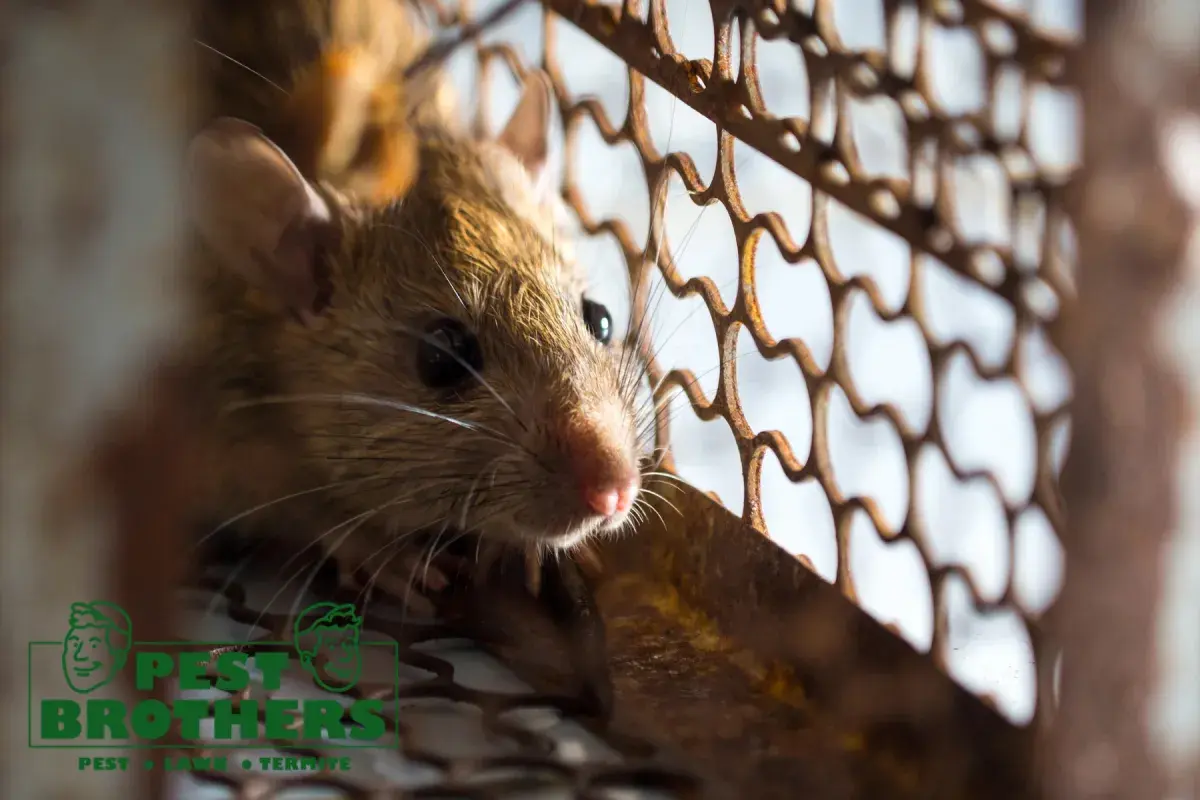
Rat exclusion works by systematically finding and permanently sealing all exterior entry points, gaps as small as a nickel, using chew-proof materials like galvanized steel mesh and concrete. It is more effective than trapping alone because trapping only removes the current indoor population, leaving structural entryways open for new rats to invade continuously.
Hearing scratching noises in your attic late at night or finding chew marks on food packaging in your pantry can be deeply stressful. When rodents invade your living space, the immediate reaction for many homeowners is to put out snap traps or set poison bait boxes around baseboards. While traps can remove individual rodents currently inside, relying on them alone leaves your home completely vulnerable to future invasions.
Rats have flexible skeletons and sharp teeth that allow them to squeeze through surprisingly tiny gaps around rooflines, vents, and utility pipes. As long as those exterior openings stay unsealed, outside rodents will continue following urine scent trails right into your living space. Combining structural exclusion with targeted trapping addresses both the immediate infestation and the root cause of the problem.
5 Essential Steps of a Professional Rat Exclusion Process
A successful rodent prevention project relies on a systematic, structural approach rather than temporary fixes. Professional technicians follow five essential steps to ensure long-term defense:
1. Comprehensive Property Inspection
Technicians examine the building from top to bottom. They inspect rooflines, soffits, chimney flashing, crawl space vents, foundation walls, and utility pipe penetrations to map out both active entryways and potential vulnerability points.
2. Identification of Entry Signals and Micro-Gaps
Experts look closely for subtle signs of rodent travel. They check for rub marks (dark grease stains left by rat fur), gnaw marks along wood edges, droppings, and warm air drafts that reveal gaps as small as 1/2 inch.
3. Chew-Proof Structural Sealing
All identified entry points are closed off using heavy-duty, chew-proof materials. Technicians install 1/4-inch galvanized hardware cloth, steel wool, copper mesh, custom metal flashing, and specialized fiber-reinforced sealants that rats cannot chew through.
4. Interior Trapping and Population Removal
Once all exterior access routes are completely closed, technicians place professional snap traps and mechanical capture devices inside the building voids. This step quickly removes any rodents trapped inside the newly sealed structure.
During a recent home inspection in Doral, our technicians discovered that roof rats were entering an attic through an unsealed AC line penetration, using nearby tree branches as an overhead highway to access the roof.
5. Sanitization and Post-Exclusion Monitoring
After the indoor population is removed, technicians clean up droppings, sanitize affected areas, and neutralize urine scent trails. Follow-up visits confirm that all physical seals remain intact and no new activity exists.
Investing in complete rat trapping and exclusion ensures your home stays protected against recurring rodent invasions year after year.
Direct Comparison: Rat Exclusion vs. Trapping Alone
Relying solely on traps treats the symptom of a rodent issue rather than fixing the structural cause. This comparison table highlights why pairing exclusion with trapping delivers far better protection than traps alone.
Comparison Table: Performance & Long-Term Effectiveness
| Feature / Metric | Rat Exclusion (Plus Trapping) | Trapping Alone |
| Primary Goal | Permanently block rodents from entering | Catch or kill existing indoor rats |
| Long-Term Protection | Permanent structural repair (multi-year durability) | Short-term relief (infestation recurs) |
| Re-Infestation Risk | Near zero (exterior entryways are sealed) | High (outside rats enter through open gaps) |
| Material Durability | Galvanized steel, hardware cloth, and mortar | Plastic or wooden snap traps, glue boards |
| Maintenance Need | Low after initial installation and verification | High (traps must be continually checked and rebaited) |
| Biohazard Prevention | High (stops new droppings, urine, and nesting) | Low (trapped rodents can die hidden inside walls) |
Property owners looking for dependable pest control in Doral, FL realize that closing exterior entry points saves money over time by preventing structural damage to insulation and wiring.
Key Specifications & Rodent Exclusion Terminology
Architectural Exclusion: The process of mechanically repairing a building to permanently block entryways, gaps, and voids used by urban pests.
Galvanized Hardware Cloth: Heavy-gauge steel wire mesh coated in zinc to prevent rust, designed specifically to stop rodents from chewing or clawing through vents and openings.
Rub Marks: Dark, oily smudge marks left on walls, pipes, and wooden beams caused by oils and dirt in rat fur as they travel along fixed paths.
Rodent-Proof Sealant: Durable elastomeric sealants mixed with metal fibers or glass beads that prevent rats and mice from gnawing through sealed cracks.
Pheromone Trail Neutralization: Cleaning interior pathways with specialized enzymatic products to erase urine scent markers that attract outside rodents to entry points.
Applying the Pest Brothers Complete Rodent Method to Solve This
At Pest Brothers, Inc. – Pest, Lawn, & Termite Control, we believe rodent management should be transparent, thorough, and built on trust. As a local family-owned business with years of experience, we take the time needed to solve rodent problems at their source. We do not rely on quick, temporary fixes or simple bait boxes. Instead, our team thoroughly examines your property, both indoors and outdoors, to understand every unique vulnerability.
Our systematic approach to rodent management relies on proven, practical steps:
- Customized Plan Development: We create a customized plan tailored to your building’s construction style, roofline design, and surrounding vegetation.
- Professional-Grade Trapping Methods: We deploy professional-grade trapping methods inside sealed spaces to remove remaining rodents safely and humanely without using dangerous loose poisons inside your living areas.
- Comprehensive Exclusion Measures: Our technicians install long-lasting exclusion measures, including metal flashing, steel mesh, and concrete reinforcement along vulnerable foundation lines.
- Sealing Off Entry Points: We focus on sealing off entry points across your roofline, soffits, garage doors, and utility penetrations to build a chew-proof barrier around your home.
- Collaborative Partnership: We build a collaborative partnership with every customer, sharing clear maintenance tips on tree trimming, food storage, and waste management to keep rodents away for good.
When working with a trusted Doral, FL exterminator, homeowners get a complete solution that protects family health, property value, and indoor air quality.
Debunking the Industry Myth: Poison Baits and Snap Traps Alone Will Solve a Rat Problem
A widespread myth claims that placing a few snap traps in the attic or putting poison bait boxes along outdoor walls will permanently solve a rodent problem.
In reality, traps and poisons only target the individual rodents currently foraging on your property. Because rats reproduce quickly and leave strong scent trails, outside rats will quickly discover the unsealed entry gaps and move right in.
Furthermore, poison baits often cause rats to die hidden deep inside wall cavities or ceiling spaces. This creates terrible smells, attracts flies, and leads to expensive wall cutouts for cleanup. Businesses and homeowners seeking dependable Doral pest control benefit from choosing full-service structural exclusion over simple baiting routines.
People Also Ask
Q: How small of a hole can a rat squeeze through?
A: An adult Norway rat can squeeze through an opening the size of a quarter (about 1 inch), while younger rats or roof rats can fit through gaps as small as a nickel (1/2 inch).
Q: Will rats chew through expanding foam spray?
A: Yes. Standard expanding polyurethane foam can be chewed through by rats in minutes. Proper exclusion requires packing gaps with steel wool or copper mesh before applying rodent-resistant sealants.
Q: Why shouldn’t I use poison bait inside my house?
A: Poison bait causes rodents to die inside hidden wall voids, attic insulation, or air ducts. This leads to foul decomposition odors, fly outbreaks, and potential risks if pets eat dead rodents.
Q: How long does a professional rat exclusion last?
A: When performed using heavy-duty galvanized steel, concrete, and metal flashing, professional rat exclusion provides long-lasting structural protection that lasts for years.
Q: What should I do if I hear scratching noises in my attic at night?
A: Schedule a professional property inspection right away. Avoid placing loose poisons in the attic, as this can cause rodents to die in hidden voids before entry gaps are identified and sealed.
Reclaim Your Peace of Mind with Permanent Rodent Control
Stopping a rodent invasion requires more than setting a few snap traps on the floor. By permanently sealing exterior entry gaps, removing indoor populations with professional traps, and sanitizing travel paths, you protect your home against recurring rat problems once and for all.
At Pest Brothers, Inc. – Pest, Lawn, & Termite Control, we are dedicated to providing you with complete confidence and peace of mind. As a family-owned business, our licensed technicians combine deep industry knowledge with a friendly, welcoming approach to handle your rodent concerns with care and precision.
Ready to protect your home with permanent, chew-proof rat exclusion? Contact us to schedule your thorough home inspection!