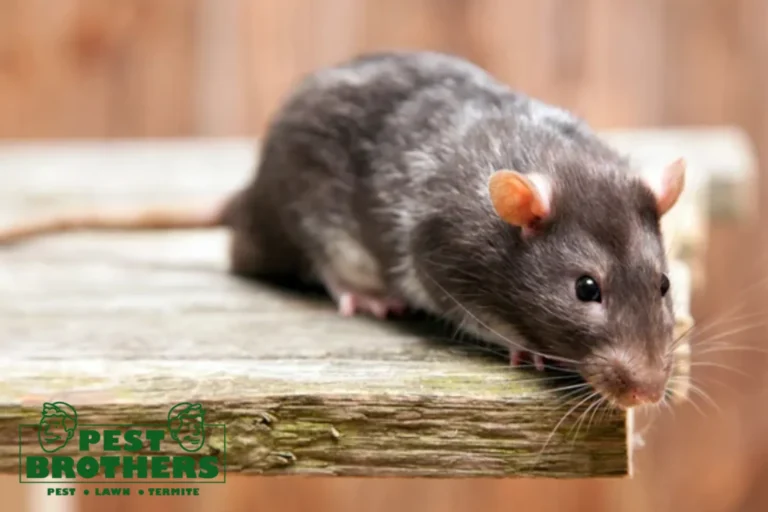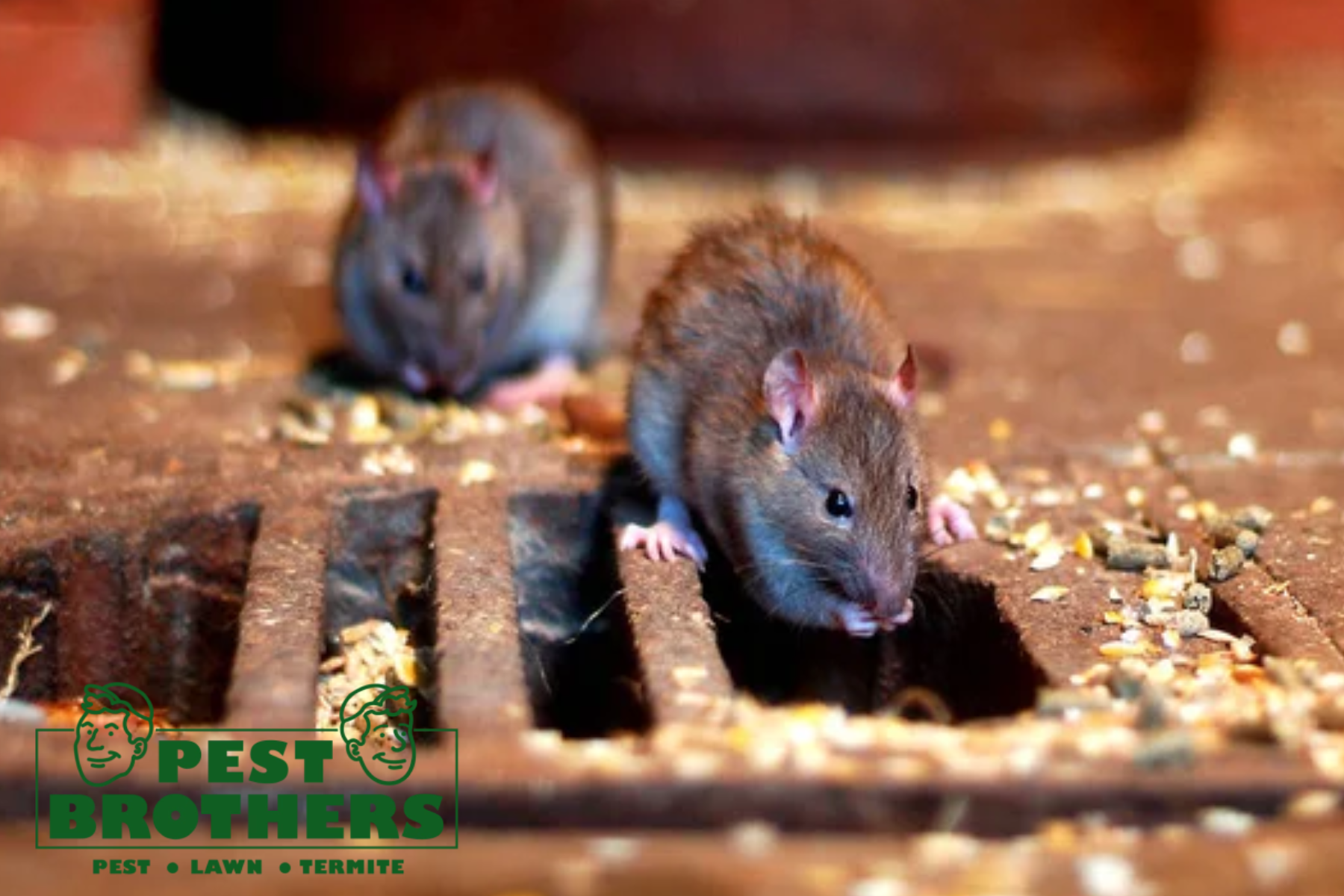
Rats typically hide in dark, quiet, undisturbed areas that provide warmth, food, and protection. Common hiding and nesting spots include attics, wall voids, garages, crawl spaces, rooflines, dense landscaping, and areas near trash or food sources. In coastal South Florida communities, rats are especially drawn to homes and commercial properties that offer shelter from heat, rain, and predators.
If you have noticed scratching noises, droppings, or unexplained odors, there is a strong chance rats are nesting somewhere nearby, even if you have not seen one directly, and it may be time to consider professional services.
Why rats are a common problem in the area
Warm weather, lush landscaping, and dense residential and commercial development make this community an ideal environment for rats to thrive. Food is abundant, shelter is easy to find, and mild winters keep rodent populations active year-round, which is why many property owners eventually turn to a professional rat exterminator for long-term control.
Throughout nearby neighborhoods, rats often move between outdoor nesting areas and indoor spaces, especially when temperatures rise or food becomes scarce outside. Waterfront properties, condo buildings, restaurants, and shopping areas can be especially vulnerable if preventative measures are not in place.
Common indoor hiding and nesting areas for rats
Rats prefer dark, warm, and rarely disturbed areas. Inside homes and commercial buildings, these spaces are often hidden from plain view.
Attics
Attics are one of the most common rat nesting areas. They provide warmth, insulation for nesting, and minimal human activity. Rats often enter through roof vents, damaged soffits, or small gaps along the roofline.
Signs of rats in the attic may include
- Scratching or scurrying noises at night
- Droppings near attic access points
- Compressed or shredded insulation
- Strong ammonia-like odors
Wall voids
Wall voids offer rats a perfect highway system to move throughout a structure undetected. Once inside, they can nest between walls and travel to kitchens, storage areas, and utility rooms.
Because wall voids are hidden, infestations can go unnoticed for weeks or even months.
Garages and storage rooms
Garages are especially attractive to rats because they often contain pet food, bird seed, cardboard boxes, and clutter. Rats may nest behind stored items or in wall corners where activity is minimal.
Attached garages can also provide a direct pathway into the rest of the building if entry points are not sealed properly.
Crawl spaces and utility areas
If your property has crawl spaces or utility closets, these areas can quickly become rat nesting sites. Moisture, darkness, and warmth from pipes make them ideal environments.
Outdoor areas where rats commonly hide
Outdoor nesting areas are just as important to identify, especially since rats often move between outdoor and indoor areas.
Dense landscaping and hedges
Well-maintained landscaping can still provide shelter for rats if shrubs, hedges, or palm trees are planted too close to structures. Thick vegetation creates shaded hiding spots and protection from predators.
In tropical environments, rats frequently nest at the base of shrubs or under dense ground cover.
Rooflines and soffits
Rats are excellent climbers. They often travel along fences, trees, and utility lines to reach rooftops. Once there, damaged soffits, vents, or fascia boards can become entry points.
Rooflines are among the most overlooked areas during routine property maintenance.
Trash areas and dumpsters
Improperly secured trash bins are a major attractant for rats. Restaurants, condos, and commercial properties are especially vulnerable if dumpsters are not tightly sealed and cleaned regularly.
Food waste provides a reliable food source, encouraging rats to nest nearby.
Sheds and outdoor storage
Outdoor sheds, pool equipment enclosures, and storage boxes provide shelter and nesting materials. Rats may burrow underneath these structures or nest inside if doors or panels are damaged.
Why rats choose these hiding spots
Rats are survival-focused animals. They choose hiding spots based on three main factors
- Access to food
- Protection from predators and weather
- Proximity to nesting materials
Once a suitable location is found, rats tend to stay close unless disturbed. This is why early detection is so important for property owners.
Signs rats may be hiding on your property
Even if you have not seen a rat, there are clear warning signs that indicate their presence.
- Droppings along walls or near food sources
- Gnaw marks on wires, wood, or packaging
- Grease marks along baseboards or walls
- Noises in the walls or ceilings at night
- Unusual pet behavior near certain areas
If you notice any of these signs, it is best to act quickly.
Why professional rat control matters
Rats reproduce quickly and can cause serious damage in a short period of time. They chew electrical wiring, contaminate food, damage insulation, and pose health risks through bacteria and parasites, which is why many property owners begin searching for rat control as soon as warning signs appear.
DIY solutions often address only the visible problem and not the root cause. Without proper exclusion, sanitation guidance, and long-term control strategies, infestations often return.
Professional Aventura pest control focuses on:
- Identifying nesting and hiding areas
- Sealing entry points
- Reducing attractants
- Implementing safe and effective treatment plans
How to reduce rat hiding spots around your property
There are several steps property owners can take to make their spaces less attractive to rats.
- Trim landscaping away from buildings
- Secure trash bins with tight-fitting lids
- Store pet food in sealed containers
- Seal gaps around vents, pipes, and rooflines
- Reduce clutter in garages and storage areas
While these steps help, they are most effective when combined with professional inspection and treatment.
When to call a pest control professional
If you suspect rats are hiding in or around your property, waiting can allow the problem to worsen. Early intervention saves time, money, and stress.
If you are hearing noises, finding droppings, or noticing repeated signs despite cleanup efforts, it is time to call a professional pest control in Aventura.
About Pest Brothers Inc. – Pest Lawn and Termite Control
Pest Brothers Inc. – Pest Lawn and Termite Control is a family-owned and operated company proudly serving Aventura and the surrounding Miami area with professional pest, lawn, and termite control services. We believe in integrity, transparency, and putting our customers first.
Our licensed technicians use environmentally friendly products and Integrated Pest Management techniques to deliver safe, effective, and long-term solutions tailored to each property. When it comes to pest control in Aventura, FL, we take the time to explain our process, answer your questions, and ensure you feel confident and cared for every step of the way.
Our goal is to provide peace of mind. When you choose us, you are choosing a team that genuinely cares about protecting your home or business with precision, professionalism, and a friendly approach.
Ready for a free quote? Contact us today and experience pest control done the right way.
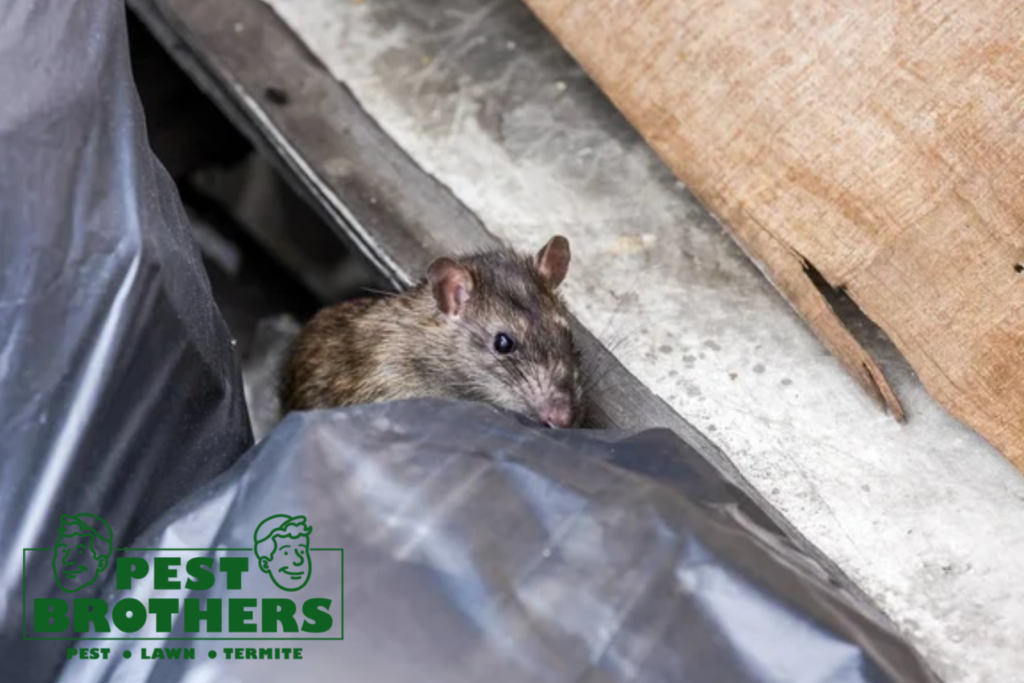
Frequently asked questions about rats
Where do rats usually nest in homes?
Rats most commonly nest in attics, wall voids, garages, and crawl spaces where they have warmth, darkness, and minimal disturbance.
Can rats live in walls without being seen?
Yes, rats can live and travel inside walls for long periods without being seen. Noises and droppings are often the first signs.
Are rats common in South Florida?
Yes, rats are common due to the warm climate, dense development, and abundance of food and shelter.
What attracts rats to a property?
Food sources, unsecured trash, dense landscaping, water access, and small structural gaps all attract rats.
How do professionals find rat hiding spots?
Professionals conduct detailed inspections of attics, rooflines, garages, landscaping, and entry points to locate nesting and travel areas
Other related blogs:
Why Taking Action on a Rat Infestation in Your Aventura Home is Crucial
Say Goodbye to Rats and Mice: Best Ways to Protect Your Aventura Attic
Where Do Rats Like to Hide in Aventura Common Nesting Areas You Should Know About